Redefining Human-Machine Symbiosis in the Skies
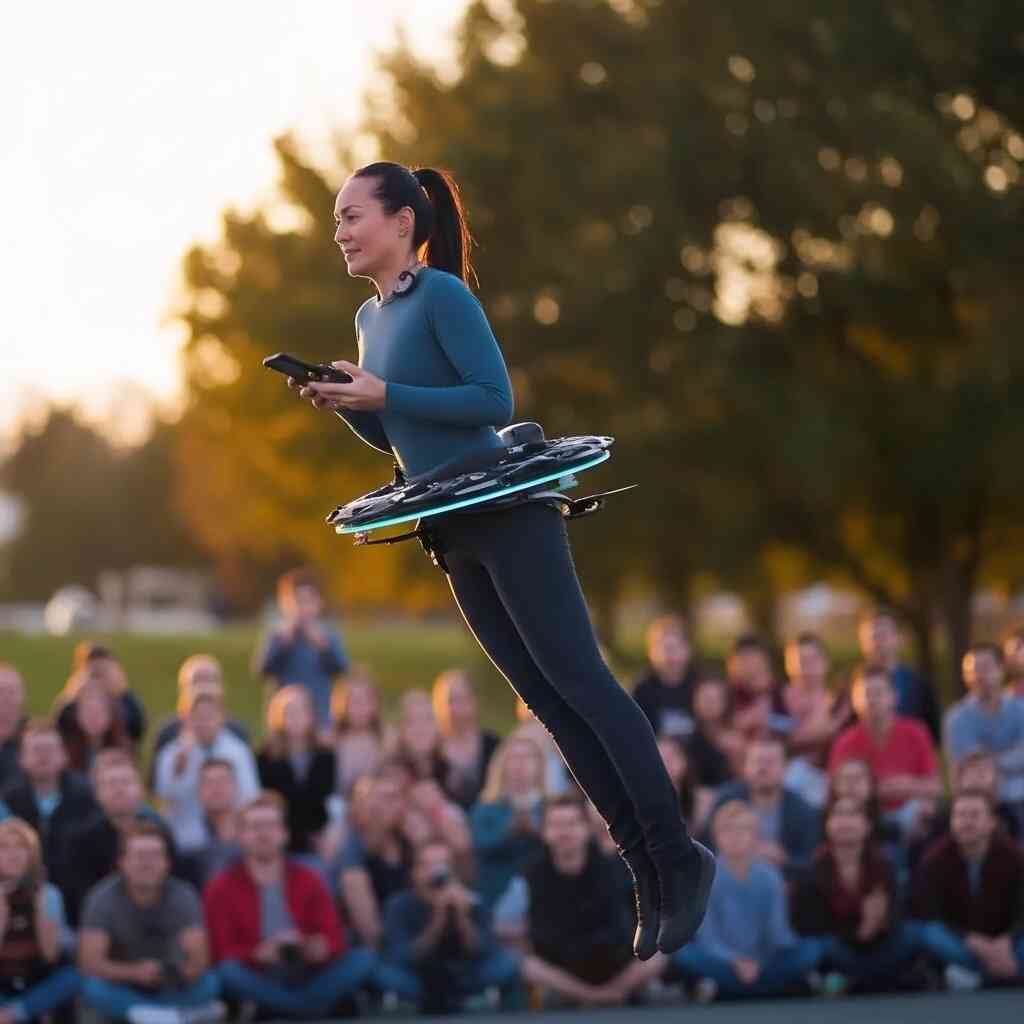
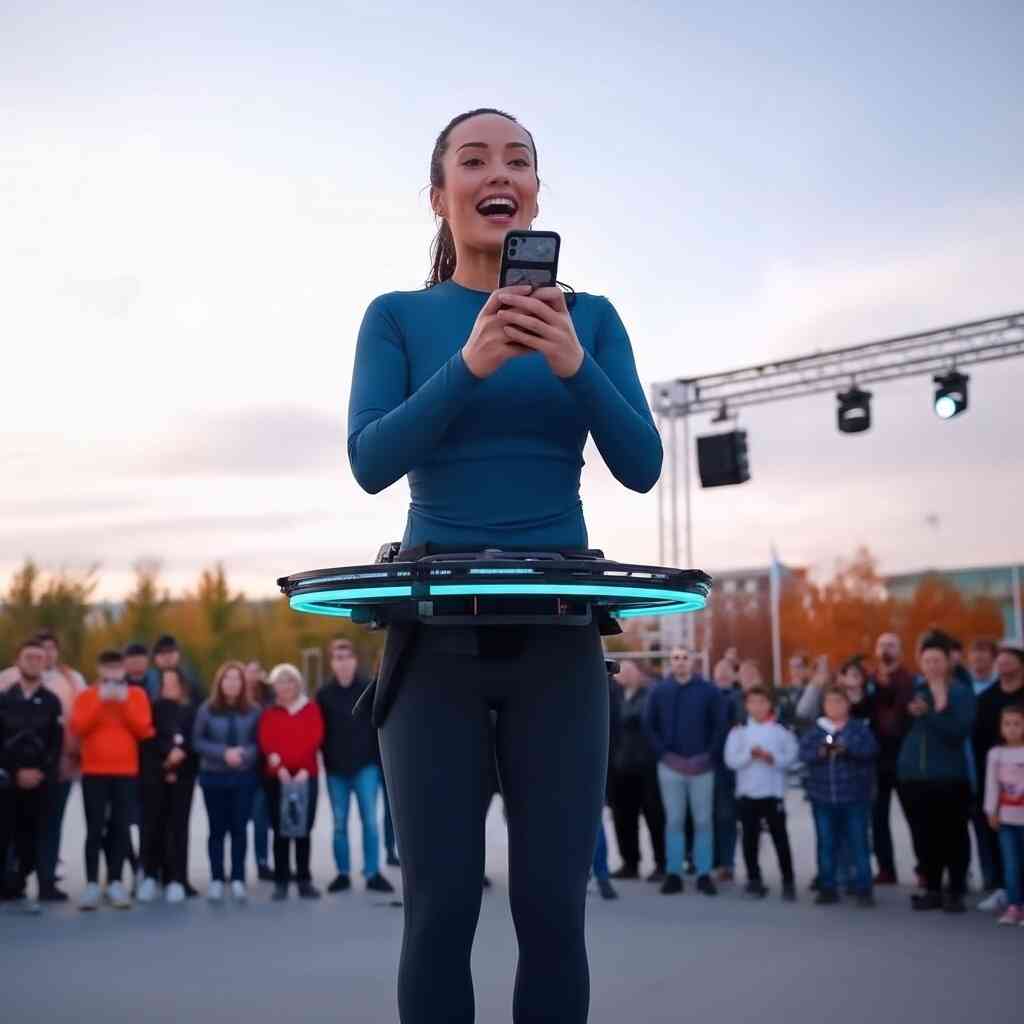
In the ever-evolving landscape of aerial technology, innovation has consistently pushed the boundaries of how humans interact with the skies. From the earliest fixed-wing aircraft to today’s sophisticated unmanned aerial vehicles (UAVs), each leap forward has redefined not only what is technically possible but also how humans integrate these tools into daily life. Among the most compelling recent developments is the emergence of waist-mounted drones—a paradigm shift that moves beyond remote piloting toward a seamless, embodied relationship between operator and machine. Unlike traditional drones controlled via handheld transmitters or smartphone interfaces, waist-mounted drones are physically integrated into the user’s body, tethered to the hips or lower torso, and designed to function as dynamic extensions of human perception and mobility.
This integration marks a profound evolution in human-robot interaction. Rather than treating drones as external instruments requiring constant manual input, waist-mounted drones operate in a semi-autonomous, context-aware manner, responding intuitively to the wearer’s movements, environment, and intent. The implications of this shift extend far beyond convenience; they touch on fundamental questions about agency, spatial awareness, and the future of embodied technology. As society increasingly embraces wearable computing—from smartwatches to augmented reality glasses—the advent of waist-mounted drones represents a natural progression toward a more fluid, responsive, and symbiotic relationship with aerial systems. This article explores the technological underpinnings, functional applications, and philosophical dimensions of waist-mounted drones, illuminating why they are not merely a novelty but a significant milestone in the trajectory of modern aerial technology.
Part I: The Technological Architecture Behind Waist-Mounted Drones
At the heart of waist-mounted drones lies a sophisticated fusion of miniaturized hardware, advanced sensor arrays, and intelligent software algorithms. Unlike conventional drones that prioritize flight endurance and payload capacity, waist-mounted variants are engineered for compactness, rapid deployment, and intuitive responsiveness. Their design philosophy centers on co-mobility—ensuring the drone remains physically and functionally aligned with the user’s body without impeding natural movement.
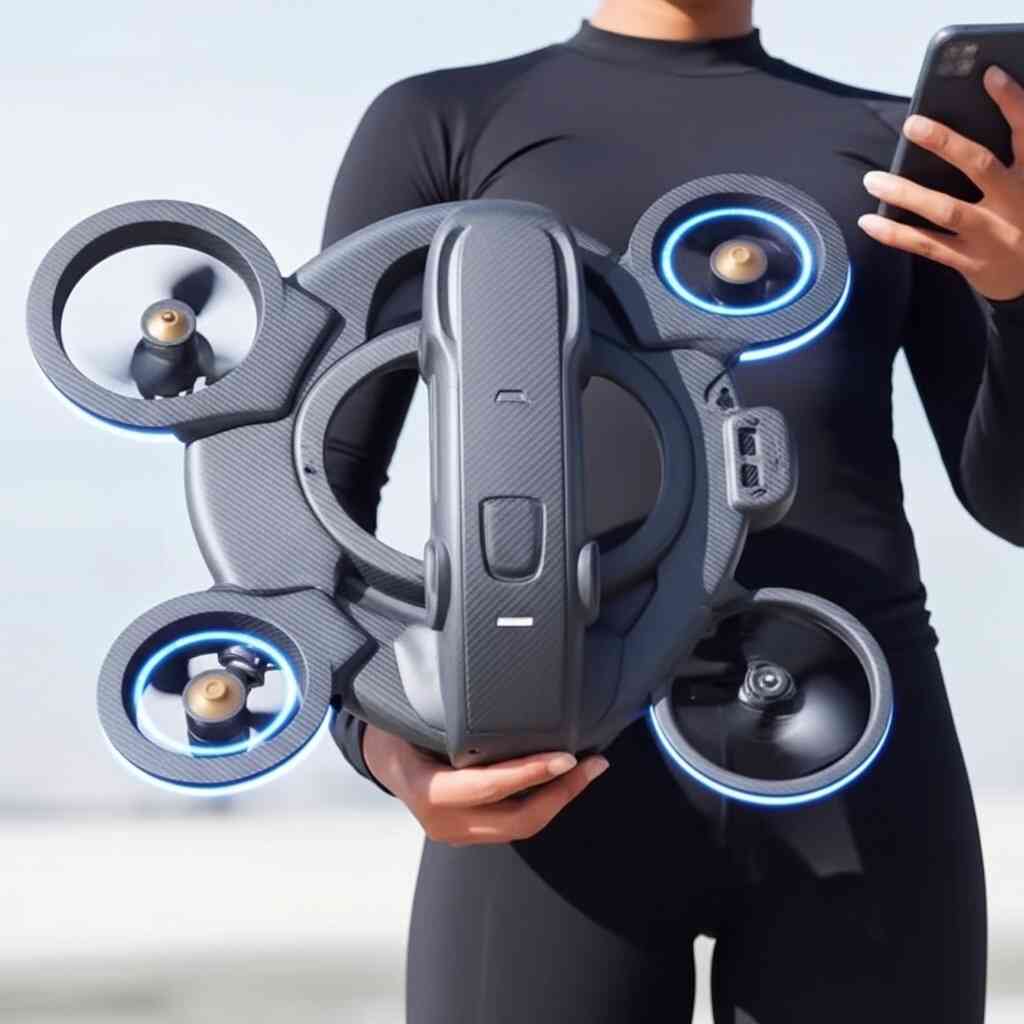
The physical integration begins with the mounting mechanism itself. Typically constructed from lightweight, flexible materials such as carbon fiber composites or high-strength polymers, the waist harness is ergonomically contoured to distribute weight evenly across the hips and lower back. This design minimizes fatigue during extended use while allowing for full range of motion. Crucially, the drone is not rigidly fixed; instead, it employs a gimbal-like suspension system that absorbs shocks and permits subtle adjustments in orientation as the wearer walks, runs, or turns. This mechanical compliance ensures that the drone remains stable relative to the ground even as the human body moves dynamically through complex terrain.
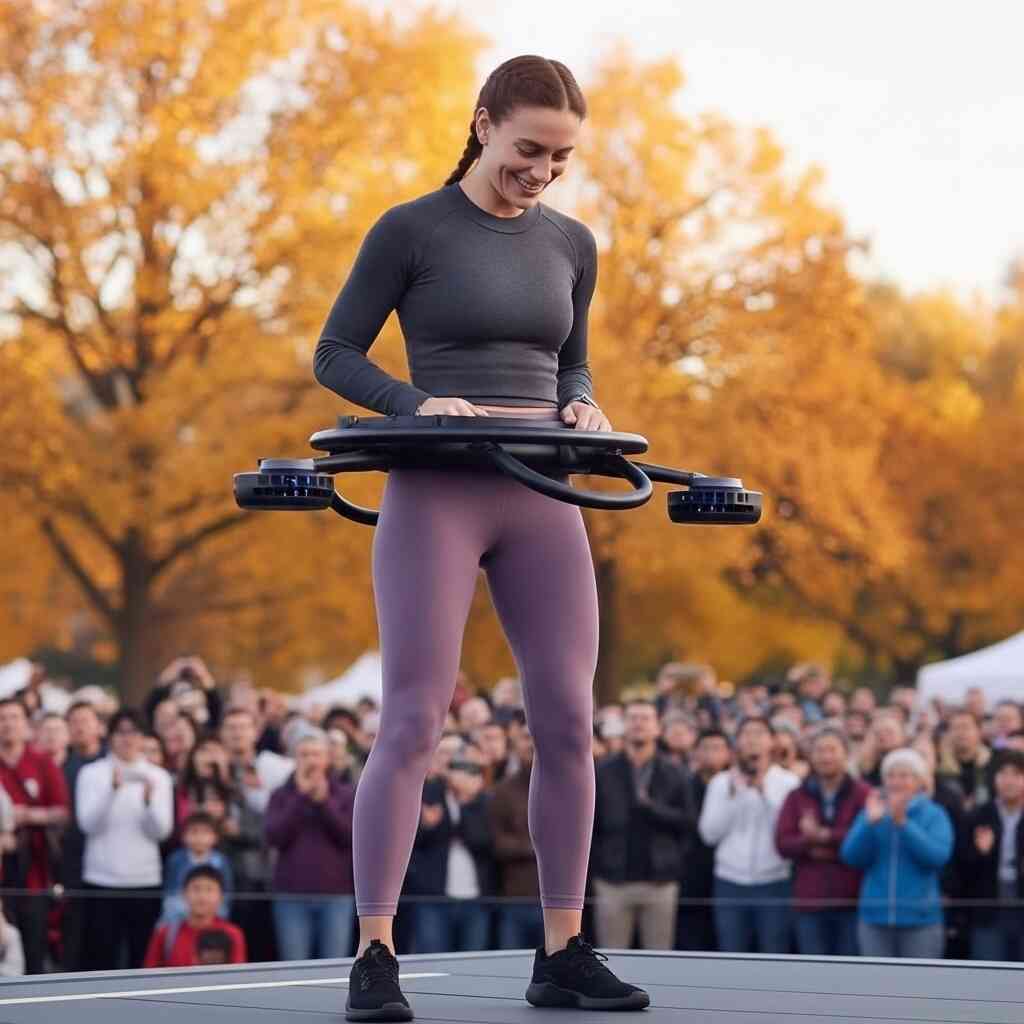
Power management presents another critical engineering challenge. Waist-mounted drones must balance energy efficiency with operational readiness. Many models utilize hybrid power systems—combining high-density lithium-polymer batteries with regenerative braking mechanisms that capture kinetic energy during descent or deceleration. Some experimental prototypes even incorporate piezoelectric elements in the harness that convert the wearer’s movement into supplementary electrical charge, though this remains largely in the research phase. The goal is to extend operational time without increasing bulk, preserving the system’s unobtrusive nature.
Perhaps the most transformative aspect of waist-mounted drones is their sensor suite and onboard intelligence. Equipped with LiDAR, stereo cameras, inertial measurement units (IMUs), and GPS/GNSS modules, these drones continuously map their surroundings in real time. But unlike traditional UAVs that rely on pre-programmed flight paths or manual joystick inputs, waist-mounted drones employ context-aware autonomy. Machine learning models trained on human locomotion patterns allow the drone to anticipate the wearer’s next move—elevating slightly when the user begins to climb stairs, retreating when entering narrow passages, or hovering in place during moments of stillness. This predictive behavior is enabled by a tight feedback loop between the drone’s perception system and the user’s biomechanical signals, often captured through embedded strain gauges or motion sensors in the harness.
Moreover, communication protocols have been reimagined to support low-latency, high-fidelity data exchange. Instead of relying solely on Wi-Fi or Bluetooth, many waist-mounted systems use ultra-wideband (UWB) or proprietary mesh networks that maintain robust connectivity even in GPS-denied environments such as dense forests or urban canyons. This ensures that the drone remains tethered not just physically but informationally to its operator, creating a unified perceptual field that blends ground-level and aerial perspectives.
Part II: Functional Applications and Human-Centric Design
The true significance of waist-mounted drones becomes evident when examining their practical applications across diverse domains. Far from being mere gadgets, they serve as cognitive and sensory prosthetics—enhancing human capabilities in ways that static or remotely operated drones cannot.
In search and rescue operations, for instance, waist-mounted drones offer unprecedented agility in complex, unpredictable environments. A firefighter navigating a smoke-filled building can deploy a drone that automatically ascends to scout overhead hazards—collapsing ceilings, hidden fire pockets, or trapped survivors—while remaining tethered to the rescuer’s position. Because the drone understands the wearer’s location and trajectory, it can relay spatially contextualized data: not just “there is a person 10 meters ahead,” but “there is a person 10 meters ahead and slightly to your left, behind the collapsed beam you’re approaching.” This level of contextual awareness reduces cognitive load and accelerates decision-making under pressure.
Similarly, in ecological fieldwork, biologists and conservationists benefit from the drone’s ability to operate as a silent, non-intrusive observer. Mounted on a researcher’s waist during a jungle trek, the drone can autonomously ascend to capture canopy-level footage of bird nests or primate behavior without requiring the scientist to stop, unpack equipment, or manipulate controls. The drone’s flight path adapts to the terrain—rising over ridges, dipping into valleys—mirroring the researcher’s exploratory intent. This symbiosis transforms data collection from a discrete, interruptive act into a continuous, embodied process.
Urban navigation presents another compelling use case. In dense megacities where GPS signals are unreliable and street-level views are obstructed by crowds and infrastructure, a waist-mounted drone can serve as a dynamic spatial assistant. As a pedestrian walks through a labyrinthine market or subway station, the drone might briefly ascend to provide an overhead view of the route ahead, then return to its docked position once the path is clear. This “glance-and-return” behavior mimics human visual scanning but extends it vertically, effectively giving the user a third-person perspective on their immediate environment.
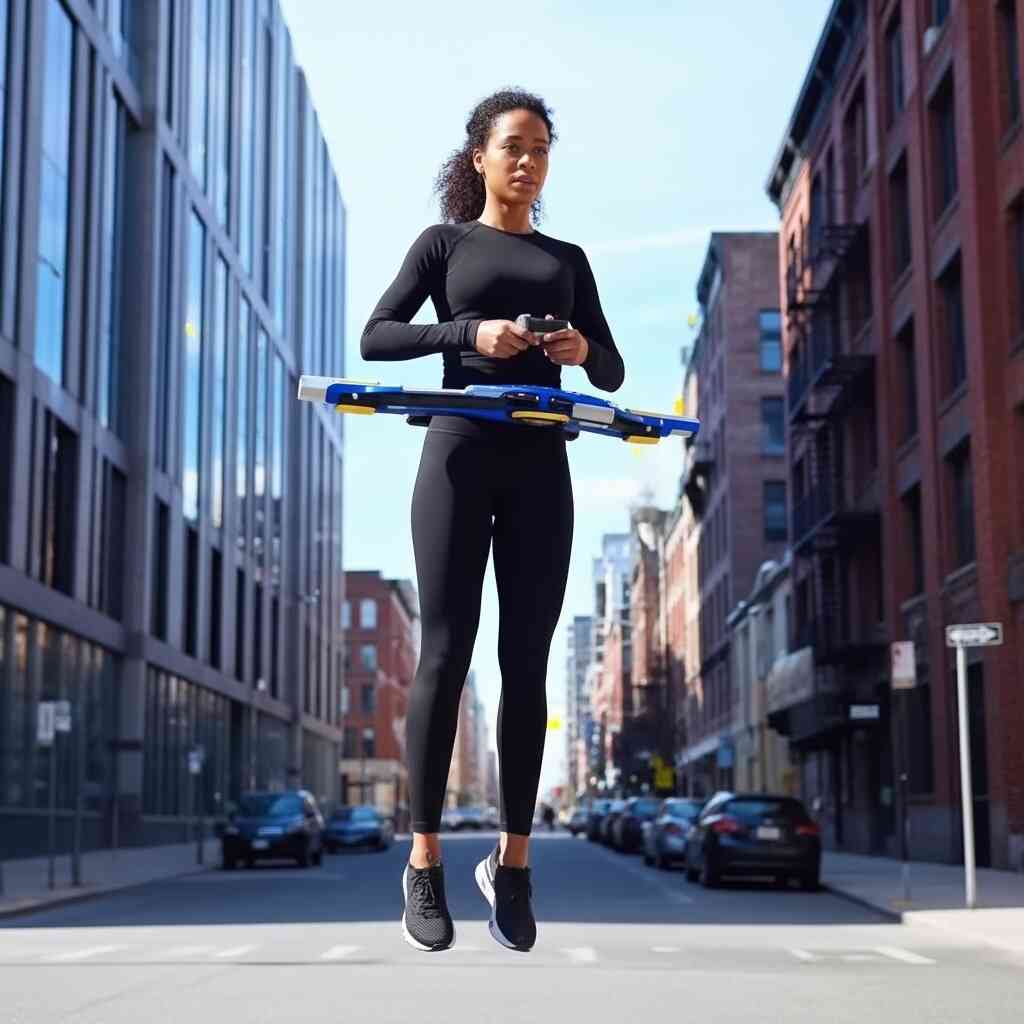
What unifies these applications is a human-centric design philosophy. Traditional drones often demand the user’s full attention—diverting focus from the primary task to the act of piloting. Waist-mounted drones invert this relationship: they serve the user’s intent without demanding constant supervision. This is achieved through what researchers call “transparent autonomy”—a system that operates reliably in the background until intervention is needed, at which point it provides intuitive, minimal cues (such as haptic feedback in the harness or subtle audio tones) to guide the user. The result is a technology that feels less like a tool and more like an extension of the self.
This shift has profound implications for accessibility as well. Individuals with mobility impairments or limited upper-body dexterity may find traditional drone controllers challenging to operate. A waist-mounted system, by contrast, leverages natural gait and posture as control inputs, lowering the barrier to aerial interaction. Early studies in assistive technology suggest that such systems could empower users to engage with aerial perspectives in educational, recreational, or professional contexts previously inaccessible to them.
Part III: Philosophical and Societal Implications of Embodied Aerial Perception
Beyond their technical and functional merits, waist-mounted drones invite deeper reflection on the nature of perception, embodiment, and our relationship with technology. By anchoring an aerial sensor platform to the human body, they blur the line between observer and observed, ground and sky, self and machine.
Philosophically, this integration resonates with theories of extended cognition—the idea that human thought processes are not confined to the brain but are distributed across tools, environments, and technologies. A waist-mounted drone becomes part of the user’s cognitive apparatus, augmenting spatial reasoning and environmental awareness in real time. When the drone ascends to reveal a hidden path or descends to inspect a suspicious object, it is not merely collecting data; it is participating in the user’s perceptual loop. This challenges traditional notions of vision as a purely biological faculty, suggesting instead that perception can be technologically mediated and multi-perspectival.
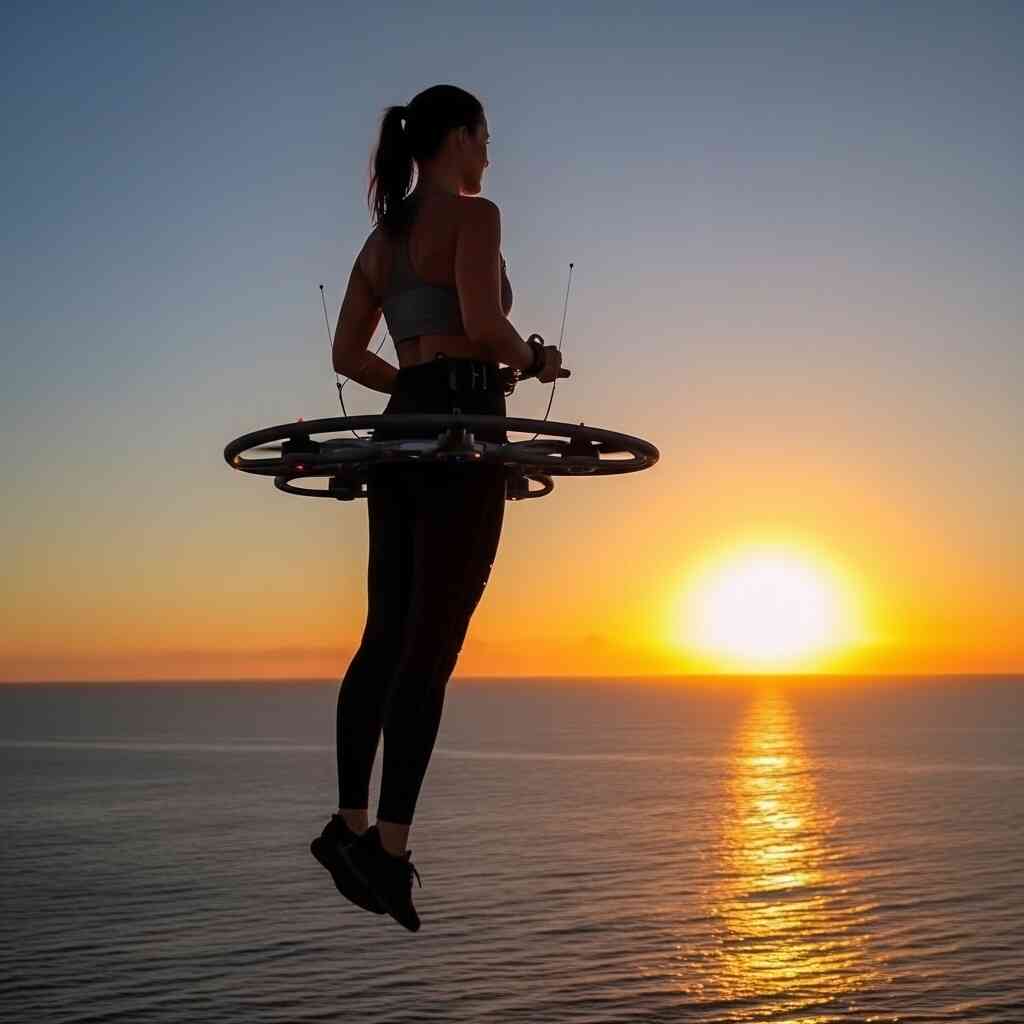
Moreover, the vertical dimension introduced by waist-mounted drones reconfigures our understanding of personal space. Historically, human spatial awareness has been largely horizontal—focused on the plane of the ground. Aerial drones disrupt this by adding a third axis of perception, but remote-controlled models still treat that axis as external. Waist-mounted drones internalize it. The drone’s altitude becomes an extension of the user’s posture; its field of view, an extension of their gaze. This embodied verticality may gradually reshape how we navigate, interpret, and emotionally respond to environments—making the sky not a distant domain but an intimate layer of personal experience.
Socially, the normalization of waist-mounted drones raises important questions about privacy, surveillance, and public space. While these systems are typically designed for personal or professional use, their persistent, mobile presence in shared environments could contribute to an ambient surveillance culture. Unlike stationary cameras or overhead satellites, waist-mounted drones are mobile, adaptive, and intimately linked to individual intent—making their data collection both more targeted and harder to regulate. Ethical frameworks must evolve to address these nuances, distinguishing between benign augmentation (e.g., a hiker documenting a trail) and intrusive observation (e.g., covert recording in private settings).
Yet there is also a democratizing potential. As aerial technology becomes more accessible and integrated into everyday movement, it may foster new forms of environmental literacy and civic engagement. Imagine community groups using waist-mounted drones to monitor air quality, document urban decay, or map informal settlements—activities that were once the domain of specialized agencies. The physical intimacy of the system encourages a more grounded, empathetic approach to aerial observation, countering the detachment often associated with high-altitude surveillance.
Conclusion: Toward an Integrated Sky
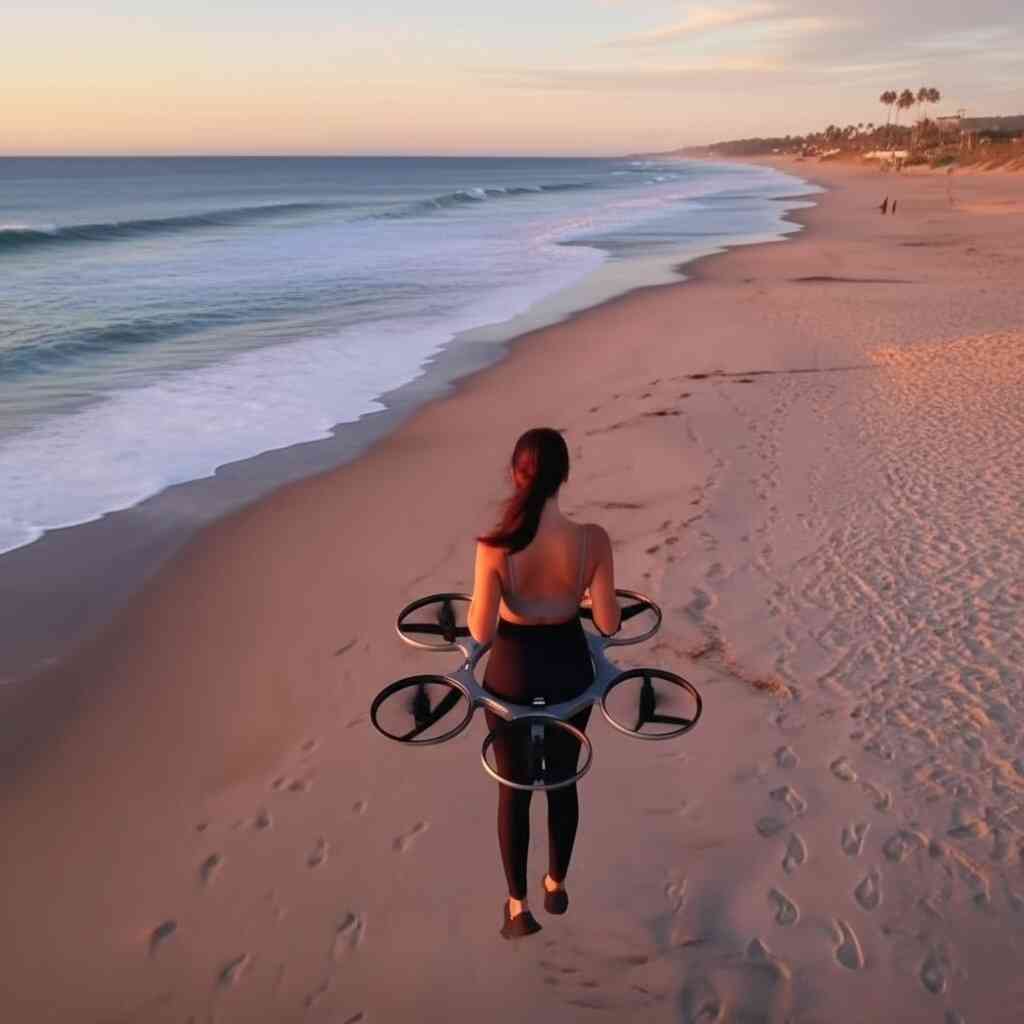
The rise of waist-mounted drones is not simply a story of technological advancement; it is a narrative about reimagining the boundaries between human and machine, earth and sky. By anchoring aerial perception to the body, these systems dissolve the traditional separation between pilot and aircraft, transforming the drone from a remote object into a responsive, embodied partner. This integration represents more than a convenience—it signals a deeper shift toward technologies that augment rather than replace human agency, that operate in harmony with natural movement, and that expand our perceptual horizons without demanding our full attention.
As research continues into adaptive materials, neuromorphic computing, and bio-inspired control systems, waist-mounted drones will likely become even more intuitive, efficient, and seamlessly integrated. Future iterations may incorporate haptic feedback that conveys wind direction or thermal gradients, or use predictive AI to suggest optimal vantage points based on the user’s goals. But regardless of technical refinements, their core significance will remain: they embody a vision of technology that moves with us, sees with us, and ultimately, understands the world through us.

In an age where digital interfaces often pull us away from physical presence, waist-mounted drones offer a counterpoint—a technology that enhances our connection to the world by extending our senses into the sky while keeping our feet firmly on the ground. They are not just flying machines; they are extensions of human curiosity, resilience, and spatial imagination. And in that, they mark not an end point, but a new beginning in the long human journey to understand and inhabit the vertical dimension of our world.