In the ever-evolving theater of fashion, where the boundary between absurdity and artistry is often as thin as a stiletto’s heel, few creations provoke as much bewilderment—and delight—as the chicken shaped high heel. At first glance, it’s a visual paradox: the elegant, elongated silhouette of a classic pump colliding headfirst with the plump, feathered absurdity of a barnyard fowl. Yet this unlikely fusion has strutted its way from the fringes of avant-garde runways into the collective consciousness of fashion discourse. Is the chicken shaped high heel a bold declaration of individuality, a satirical jab at fashion’s excesses, or simply a whimsical folly dressed up as footwear?
This article delves into the curious phenomenon of the chicken shaped high heel—not as a commodity, but as a cultural artifact. Through historical context, artistic interpretation, and sociological reflection, we explore how this peculiar design encapsulates the tension between tradition and rebellion, utility and spectacle, seriousness and play. Far from being mere novelty, the chicken shaped high heel emerges as a mirror reflecting our complex relationship with identity, gender, and the very definition of beauty in the 21st century.
Part I: From Runway Oddity to Cultural Symbol—The Rise of the Avian Accessory
The origins of the chicken shaped high heel are not easily traced to a single designer or moment, but rather emerge from a confluence of surrealist impulses, postmodern irony, and fashion’s long-standing flirtation with the animal kingdom. Designers like Elsa Schiaparelli in the 1930s pioneered the integration of whimsy and shock into haute couture—her famous lobster dress, co-designed with Salvador Dalí, set a precedent for using unexpected fauna as fashion motifs. Fast forward to the 21st century, and designers such as Jeremy Scott, Iris van Herpen, and even niche conceptual artists have pushed this tradition into increasingly surreal territory.
The chicken, in particular, carries a rich symbolic weight that makes it ripe for reinterpretation. In many cultures, the chicken represents fertility, domesticity, and humble sustenance. Yet in Western pop culture, it’s often reduced to a figure of ridicule—“chicken” as cowardice, “hen” as gossip, “rooster” as boastful masculinity. By placing this loaded symbol on the foot—the very foundation of movement and posture—designers subvert expectations. The chicken shaped high heel becomes less about literal representation and more about recontextualizing meaning.
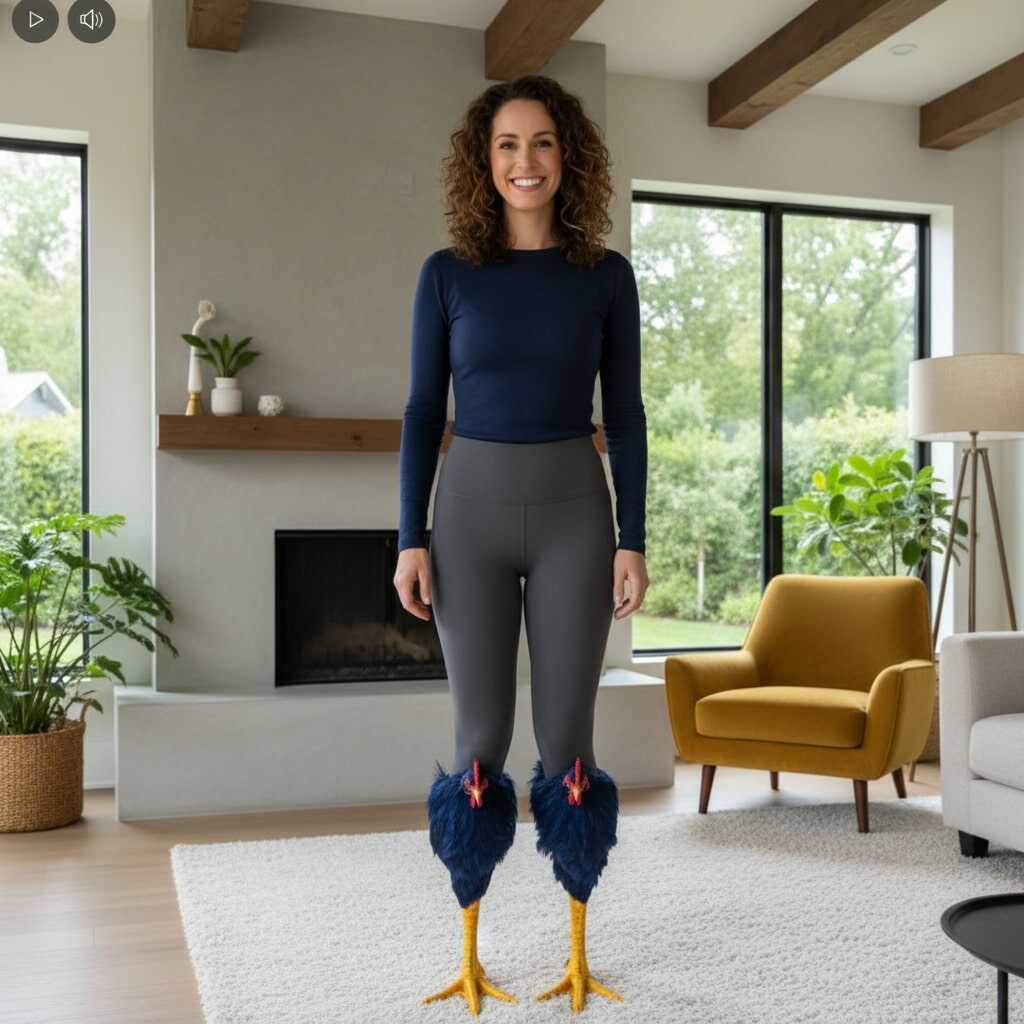
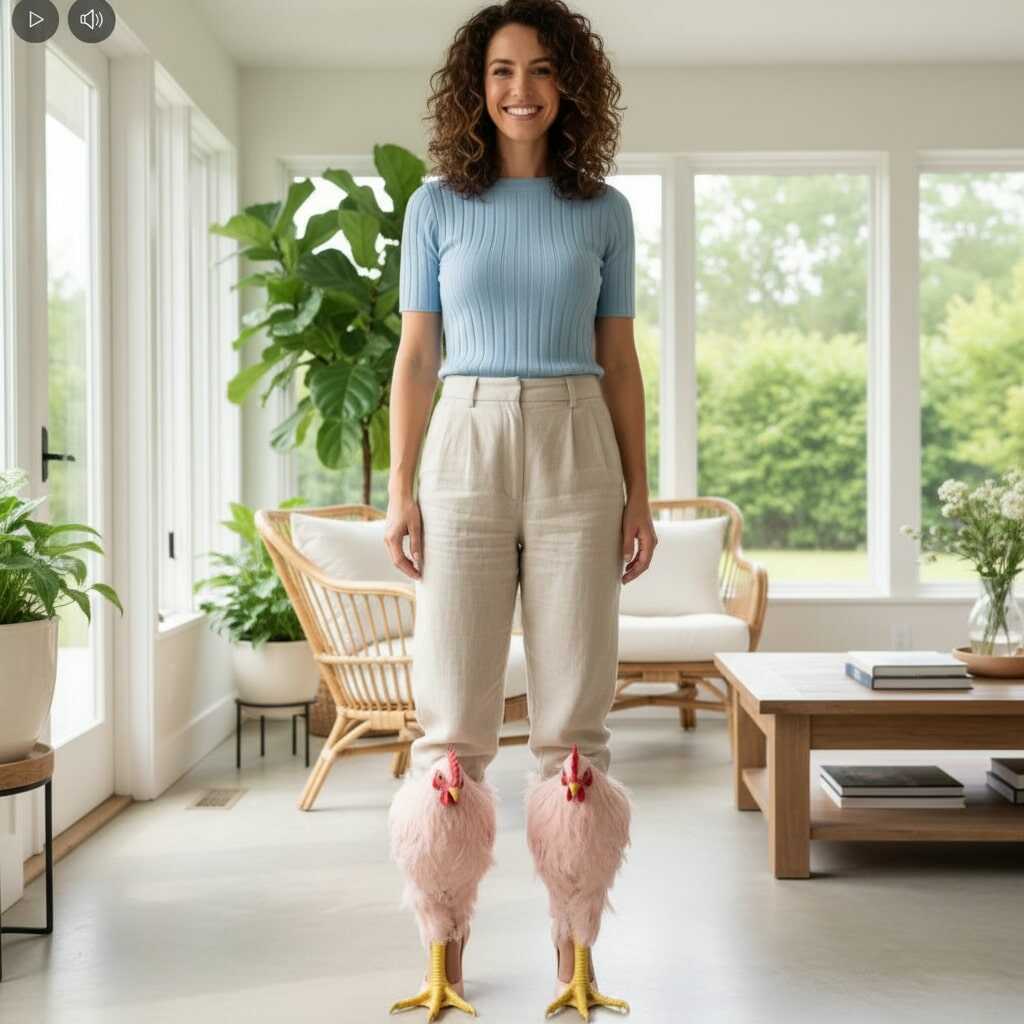
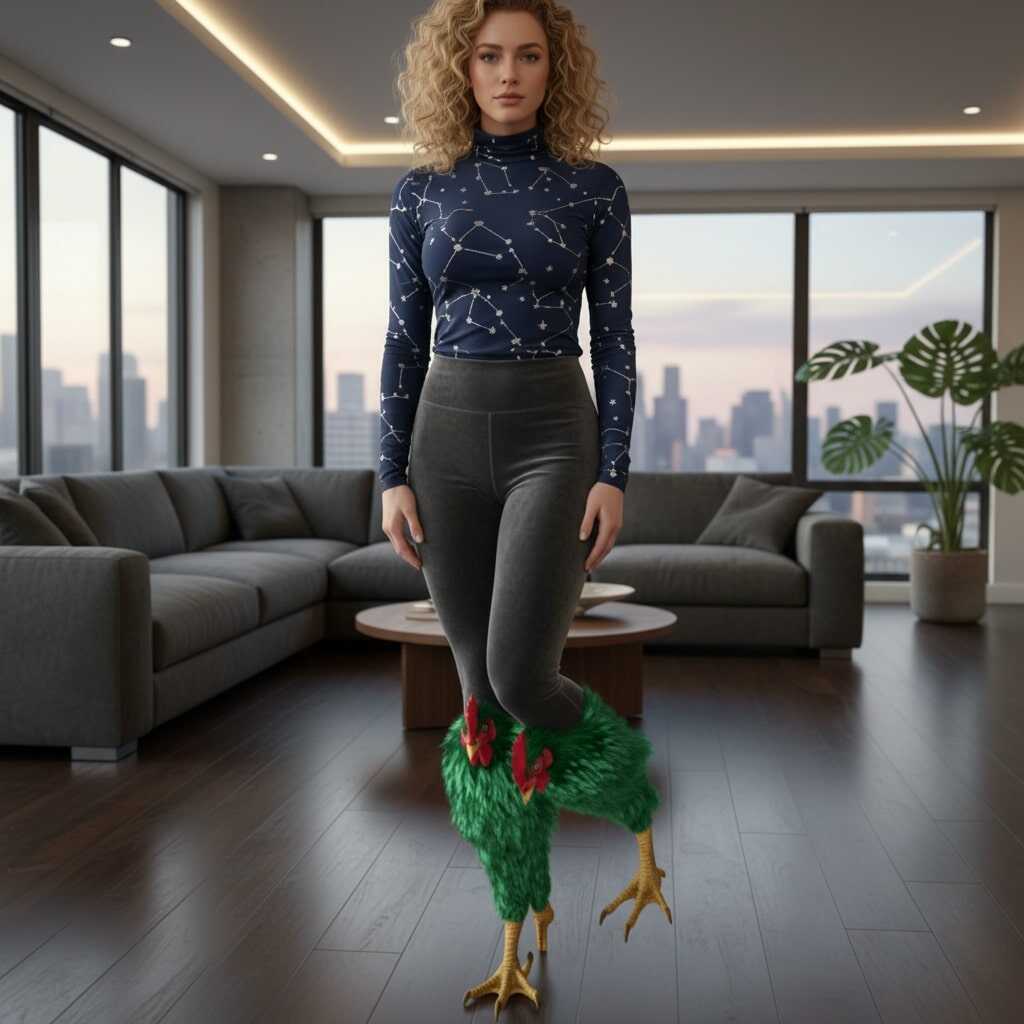
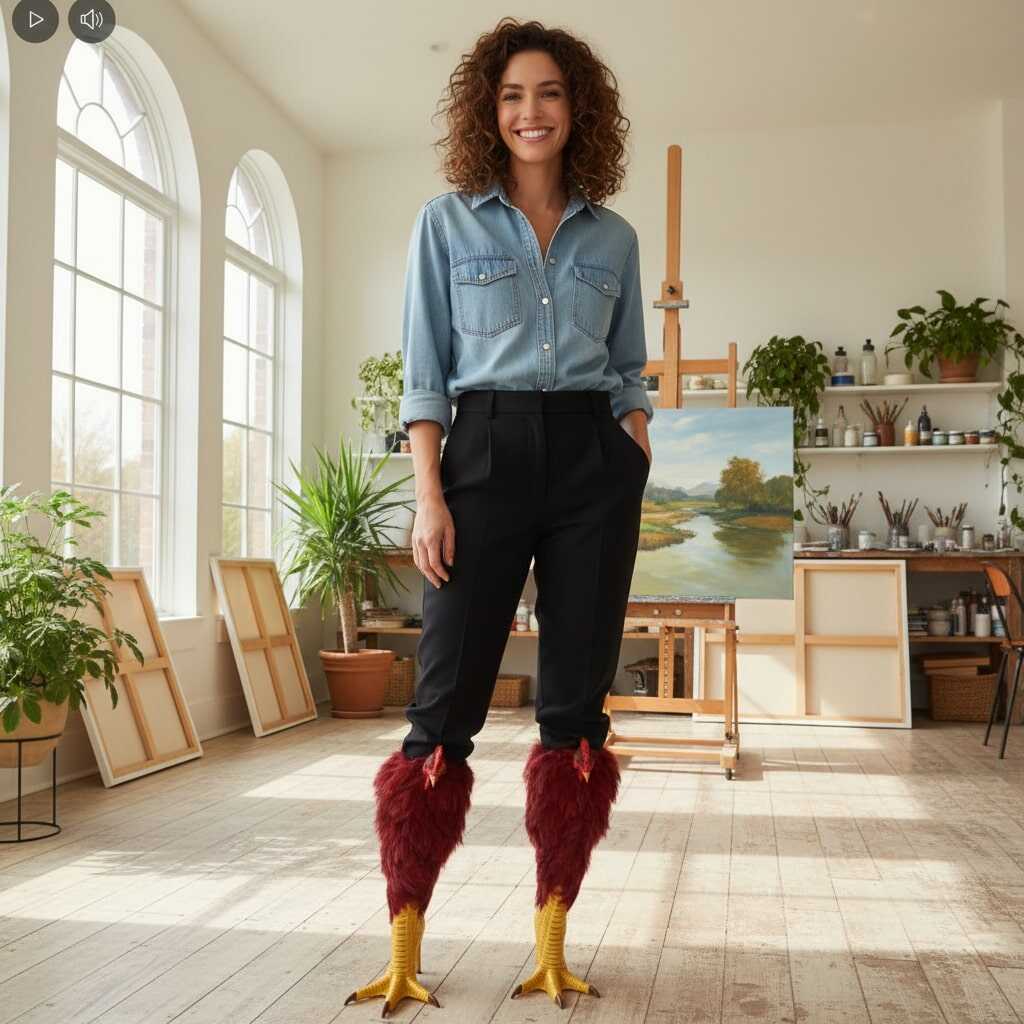
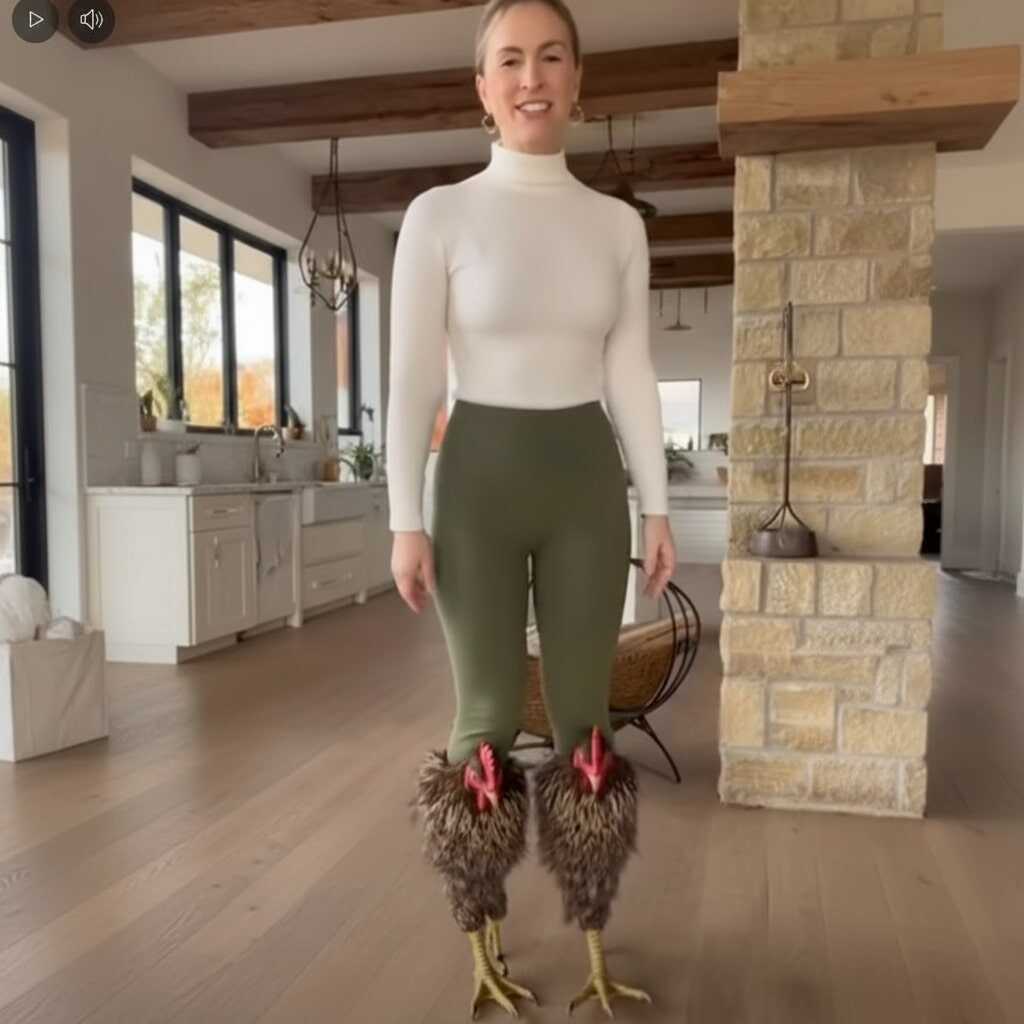
Consider the visual mechanics of such a design: the heel might mimic a chicken’s leg, complete with scaly texture and claw-like detailing; the toe box could be sculpted into a rounded breast or adorned with feather-like embellishments; the entire shoe may even feature a miniature head peering over the instep. These elements transform the wearer’s gait into a performative act—each step echoing with clucks of defiance against conventional elegance.
Critics may dismiss the chicken shaped high heel as a gimmick, but its persistence in fashion editorials, art installations, and red carpet appearances suggests a deeper resonance. It challenges the notion that footwear must be discreet or “tasteful.” Instead, it embraces the grotesque, the humorous, and the uncanny—all hallmarks of postmodern aesthetics. In doing so, it questions who gets to define beauty and why certain forms are deemed acceptable while others are labeled “fowl play.”
Part II: The Semiotics of Strut—Decoding the Chicken Heel’s Cultural Language
To understand the chicken shaped high heel is to engage in semiotic analysis—deciphering the signs and symbols embedded in its form. Fashion, after all, is a language, and every garment or accessory speaks in codes understood (or misunderstood) by its audience. The chicken shaped high heel speaks in a dialect that is simultaneously playful, provocative, and deeply gendered.
High heels themselves have long been entangled with constructions of femininity. Historically, they signaled status, seduction, and submission—tools of both empowerment and constraint. The chicken shaped high heel disrupts this binary. By grafting an animal form onto a symbol of hyper-femininity, it introduces absurdity into the equation, thereby deflating the seriousness with which we often treat gendered fashion norms. It asks: if a woman can wear a shoe shaped like a chicken and command attention, what does that say about the arbitrary nature of “appropriate” feminine adornment?

Moreover, the chicken shaped high heel engages with the concept of camp—a sensibility defined by Susan Sontag as “love of the unnatural: of artifice and exaggeration.” Camp thrives on irony, theatricality, and the celebration of “bad taste” as a form of resistance. The chicken shaped high heel is camp incarnate: it is excessive, it is ridiculous, and it knows it. In wearing such a shoe, the individual doesn’t merely accessorize—they perform. They become part of a lineage that includes drag queens in towering platforms, punk rockers in safety-pin stilettos, and Dadaists in nonsensical ensembles. The chicken heel is not meant to blend in; it demands to be seen, laughed at, questioned, and ultimately, re-evaluated.
There’s also an ecological and ethical subtext worth noting. In an era increasingly conscious of animal rights and sustainable fashion, the use of animal imagery—especially of creatures often commodified for food—carries implicit commentary. Is the chicken shaped high heel a celebration of the chicken, or a continuation of its objectification? The ambiguity is intentional. Like much conceptual fashion, it refuses easy answers, instead inviting the viewer to sit with discomfort and contradiction.
This tension is further amplified by the shoe’s materiality. Some iterations are crafted from ethically sourced leathers or vegan alternatives, while others lean into hyperrealism with silicone combs and resin beaks. The choice of materials adds another layer to the narrative—whether the design leans toward reverence or parody, sustainability or spectacle.
Part III: Fowl Play or Fashion Forward? Reclaiming the Absurd
At the heart of the chicken shaped high heel debate lies a fundamental question: does fashion have to be “serious” to be meaningful? The instinct to label such footwear as “fowl play”—a pun-laden dismissal—reveals a discomfort with fashion that refuses utility or conventional beauty. Yet history shows that many now-iconic styles were once ridiculed: the miniskirt, the shoulder pad, even the stiletto itself. What appears absurd today may become emblematic tomorrow.
The chicken shaped high heel thrives precisely because it resists assimilation. It cannot be easily co-opted by fast fashion or diluted into a “trend.” Its very specificity—its commitment to the bizarre—protects it from banality. In a world saturated with algorithm-driven aesthetics and homogenized style, the chicken shaped high heel is a beacon of idiosyncrasy. It represents a refusal to conform, a celebration of the strange, and an assertion that fashion can be joyful, even when it’s ridiculous.
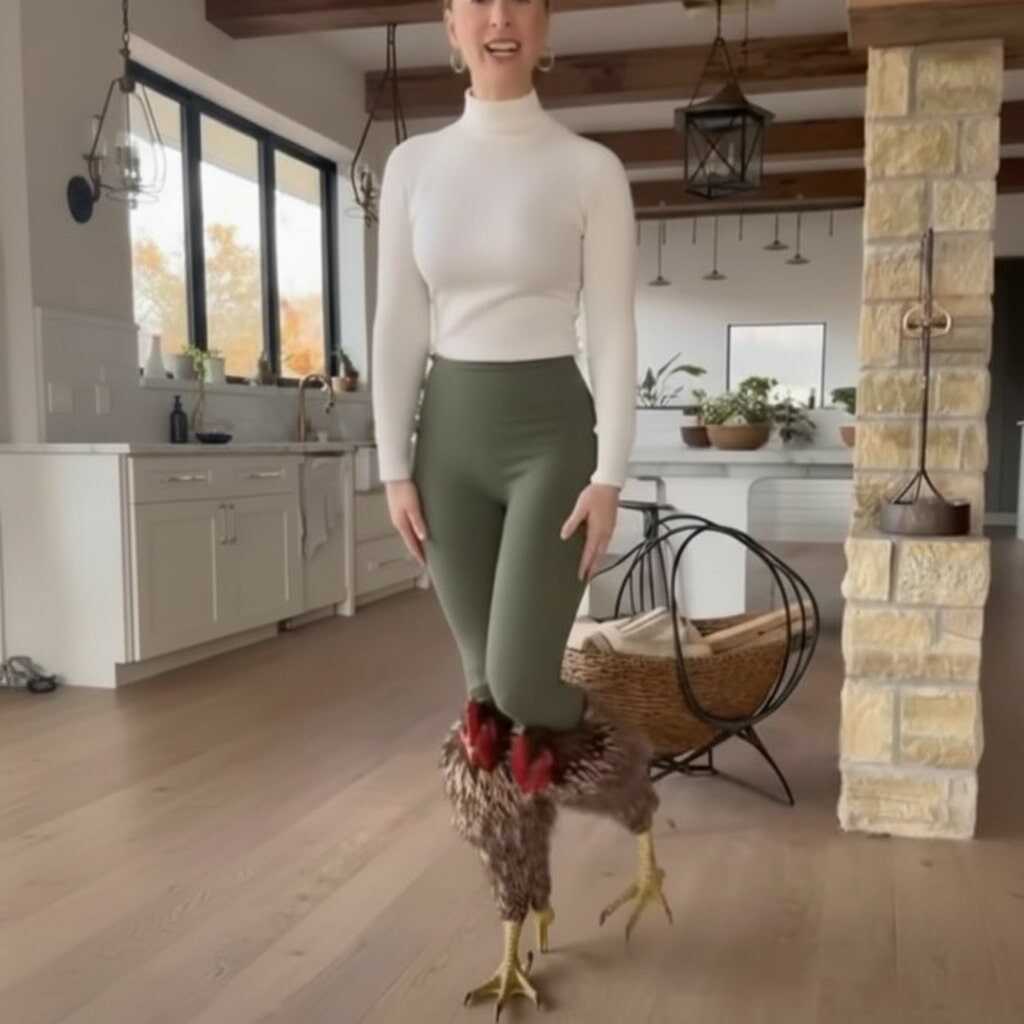
Furthermore, the shoe functions as a form of sartorial storytelling. To wear a chicken shaped high heel is to invite conversation, to signal a sense of humor, and to reject the pressure to be perpetually “polished.” It aligns with a broader cultural shift toward authenticity and self-expression over curated perfection. Social media has amplified this shift, turning niche fashion statements into viral moments. A single post of someone in chicken heels can spark debates about art, gender, and the limits of wearable design—proving that fashion remains a potent medium for cultural dialogue.
Yet the chicken shaped high heel also exposes the double standards that persist in how we judge self-presentation. A man wearing avant-garde footwear might be hailed as a visionary; a woman in the same shoes might be mocked as frivolous. The chicken shaped high heel, by virtue of its association with both femininity (heels) and domesticity (chickens), becomes a lightning rod for these biases. Its reception often says more about the observer than the wearer.
This brings us back to the title’s central tension: is it a fashion statement or fowl play? The answer, of course, is both—and neither. It is a fashion statement precisely because it plays with fowl imagery. The pun is not accidental; it’s foundational. The chicken shaped high heel exists in the liminal space between joke and masterpiece, between costume and couture. And perhaps that’s its greatest strength: it refuses to be pinned down, much like the live chickens it mimics—elusive, unpredictable, and full of life.
Conclusion: Embracing the Cluck of Individuality
The chicken shaped high heel is more than a shoe. It is a provocation, a paradox, and a playful rebellion against the tyranny of good taste. In a fashion landscape often criticized for exclusivity and elitism, it offers a rare moment of levity and inclusivity—anyone with a sense of adventure can step into its world, regardless of background or training. It reminds us that fashion need not always serve function or flattery; sometimes, its highest purpose is to astonish, amuse, and unsettle.
To dismiss the chicken shaped high heel as mere folly is to miss its deeper significance. It embodies the spirit of creative risk-taking that has always driven fashion forward. From the ruffled collars of Elizabethan courtiers to the deconstructed silhouettes of Rei Kawakubo, fashion has thrived on the unexpected. The chicken shaped high heel continues this legacy, not by conforming to rules, but by clucking loudly in their face.
In the end, whether one sees it as a masterpiece of conceptual design or a feather-brained stunt matters less than the conversation it sparks. It challenges us to expand our definitions of beauty, to question inherited norms, and to find joy in the absurd. After all, isn’t there something profoundly human about strutting through life—even if your heels happen to look like chickens?
So the next time you encounter a chicken shaped high heel, don’t just laugh. Look closer. Listen to what it’s saying. Because in its scaly heel and beady-eyed charm, it might just be clucking the future of fashion—one absurd, beautiful step at a time.