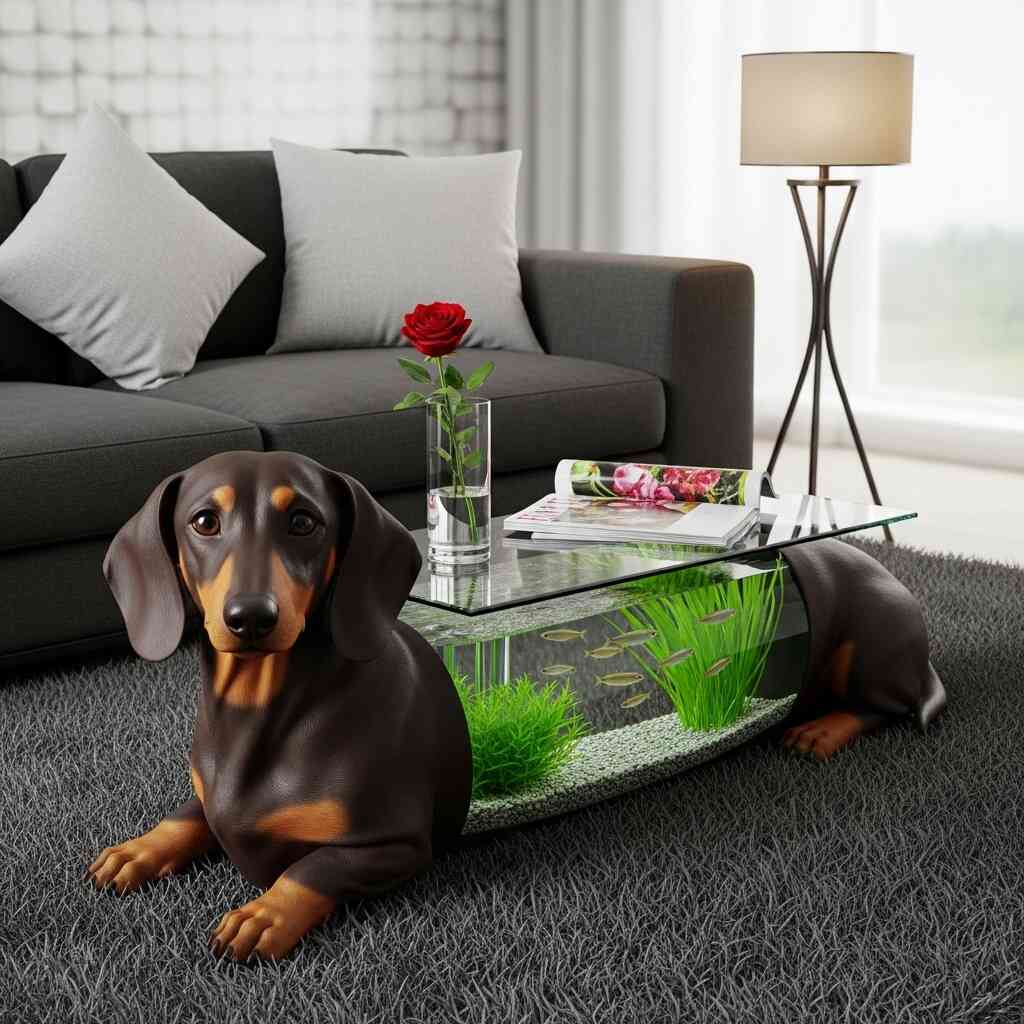
More Than Just a Whistle—A Canine Presence in the Kitchen
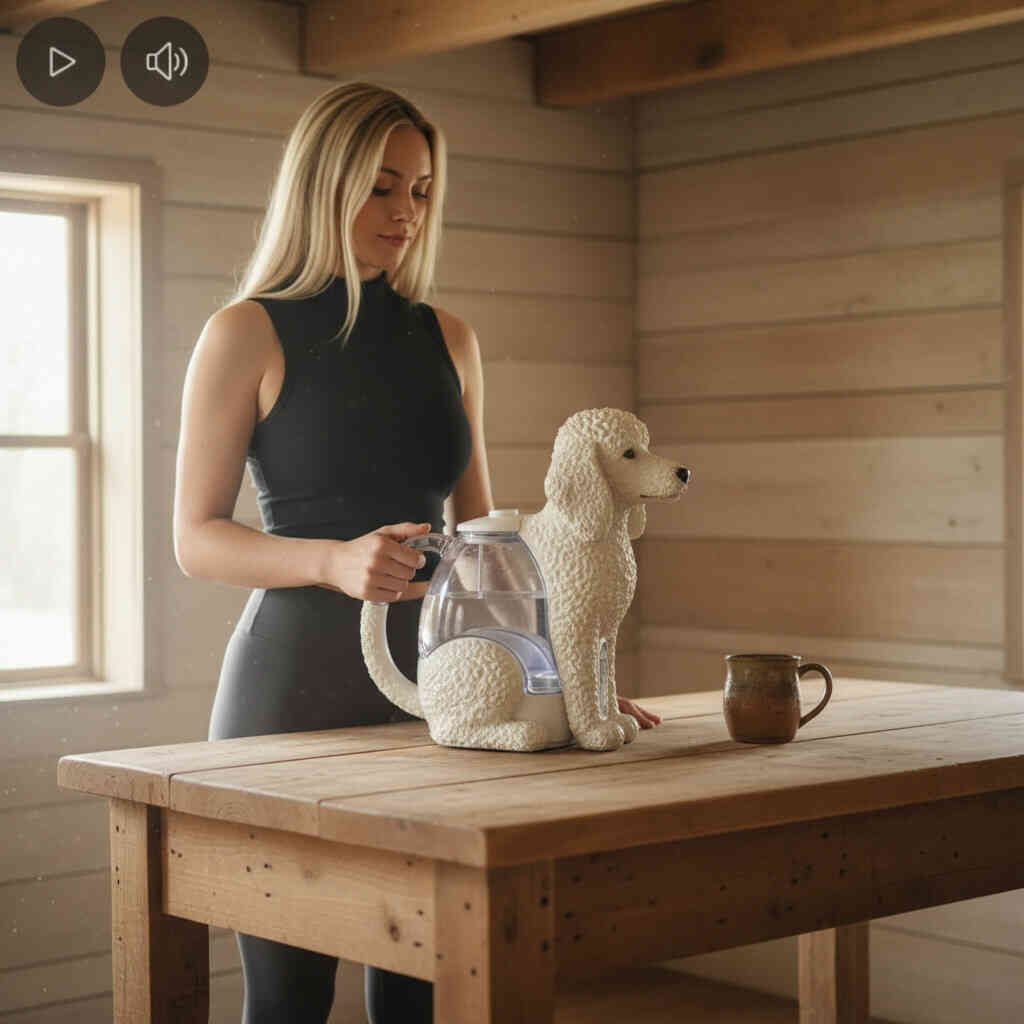
In the quiet rhythm of morning routines, few sounds are as comforting as the gentle hum of a kettle heating up, culminating in that familiar, rising whistle signaling readiness. For many, this simple ritual is a moment of pause—a bridge between sleep and wakefulness, solitude and connection. Now imagine that humble kettle not as a sleek cylinder or minimalist orb, but as a joyful terrier with perked ears, a dignified dachshund curled into a compact form, or a playful pug whose snout doubles as the spout. These are not figments of whimsy; they are Dog Shaped Kettles—unconventional yet endearing artifacts that transform an everyday object into a tribute to humanity’s most loyal companions.
At first glance, a dog-shaped kettle might seem like a novelty item, a fleeting trend born from internet culture or kitsch aesthetics. But look deeper, and you’ll find a profound emotional resonance. For pet lovers, especially those who regard their dogs as family members, these kettles do more than boil water—they embody presence, memory, and affection. They serve as silent companions in kitchens where real dogs once padded across linoleum floors or now wait patiently by the stove for a treat. In homes where pets have passed on, such objects can become tender memorials, keeping the spirit of a beloved animal alive through daily use. Even in households without dogs, these kettles evoke warmth, playfulness, and the universal appeal of canine loyalty. This article explores the cultural, emotional, and design dimensions of Dog Shaped Kettles, revealing how they transcend mere function to become meaningful fixtures in the domestic landscape.
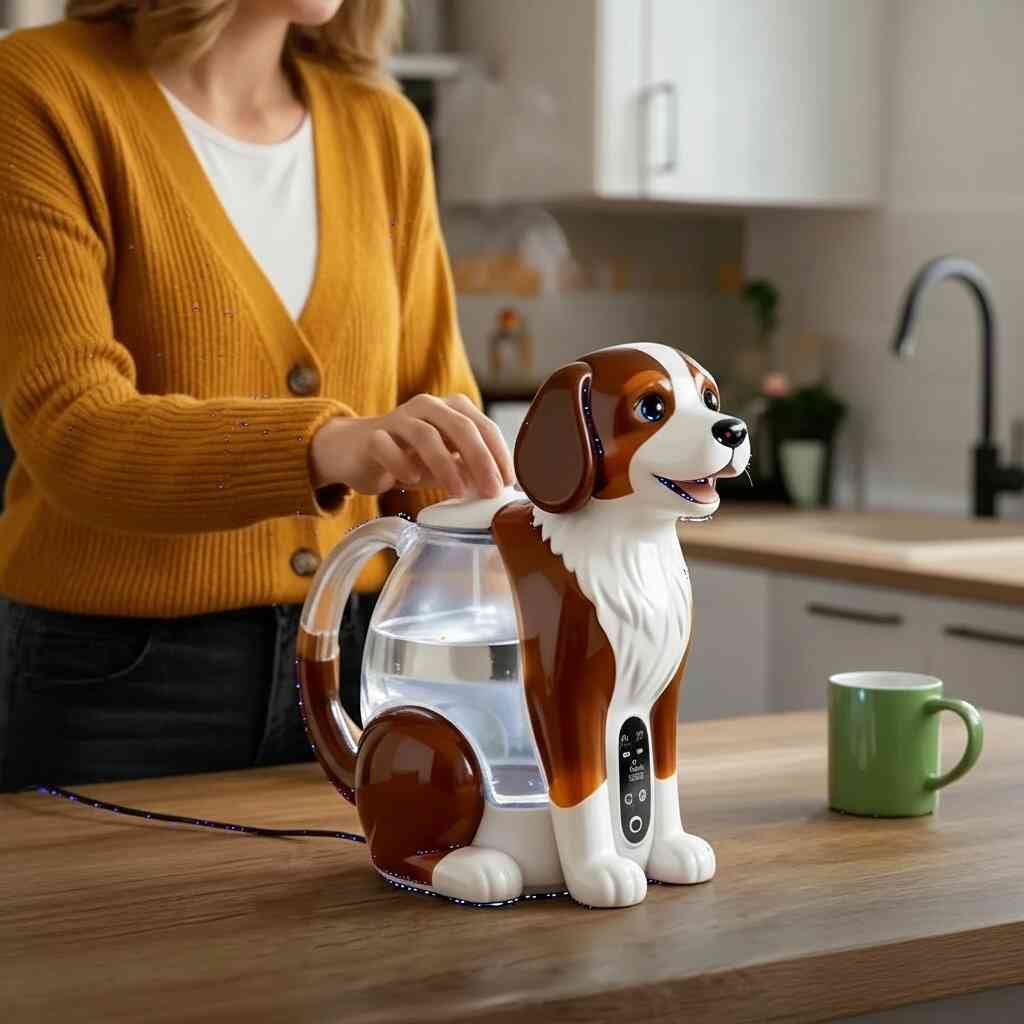
Part One: The Emotional Alchemy of Form and Function
The kitchen is often called the heart of the home, and within it, small rituals carry outsized emotional weight. Making tea or coffee is rarely just about caffeine—it’s about comfort, care, and continuity. When a utilitarian object like a kettle adopts the form of a dog, it infuses this ritual with personality and narrative. The transformation from inanimate appliance to symbolic companion hinges on the power of anthropomorphism—the human tendency to attribute life, emotion, and character to non-human entities. A dog-shaped kettle doesn’t bark or wag its tail, yet its silhouette, posture, and expression (however stylized) invite interpretation. Is that a Labrador mid-yawn? A Shiba Inu alert and watchful? The mind fills in the gaps, projecting fondness onto porcelain or stainless steel.
For many pet owners, the absence of their dog during work hours or after loss leaves a palpable void. Objects that echo a pet’s form can soften that emptiness. Unlike photographs or figurines—which remain static and observational—a Dog Shaped Kettle participates in daily life. It “joins” morning routines, “waits” on the counter, and “announces” its readiness with a whistle that mimics a call for attention. This active role fosters a subtle but powerful sense of companionship. Psychologists note that humans often form attachments to objects that symbolize loved ones, especially when those loved ones are no longer physically present. In this light, a dog-shaped kettle becomes more than decor; it’s a vessel of emotional continuity.
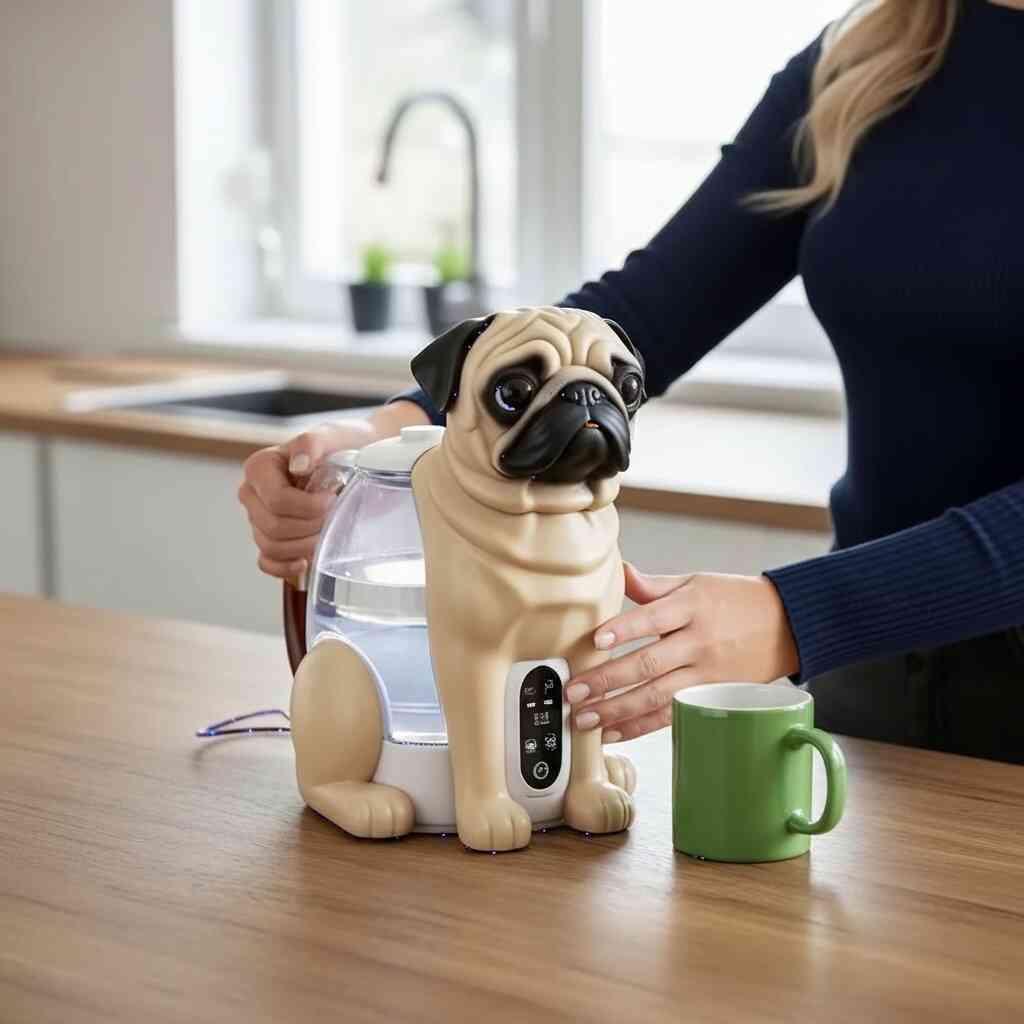
Moreover, these kettles celebrate the idiosyncrasies of dog breeds. Designers don’t merely slap a generic “dog” shape onto a pot; they capture the essence of specific breeds—the elongated body of a dachshund, the wrinkled brow of a bulldog, the fluffy mane of a Shih Tzu. This specificity honors the diversity of canine companionship. A person who once owned a spirited Jack Russell Terrier might choose a kettle modeled after that breed, not just for aesthetic reasons, but because it recalls the dog’s boundless energy and mischievous gaze. The kettle becomes a tactile memory, a functional heirloom.
This emotional alchemy is particularly potent in cultures where dogs hold deep symbolic meaning. In Western societies, dogs represent loyalty, protection, and unconditional love. In Japan, the Shiba Inu is a national treasure, embodying agility and independence. In Mexico, the Xoloitzcuintli carries ancient spiritual significance. When a Dog Shaped Kettle draws from these cultural archetypes, it connects the user not only to personal memories but also to broader narratives of human-canine coexistence.
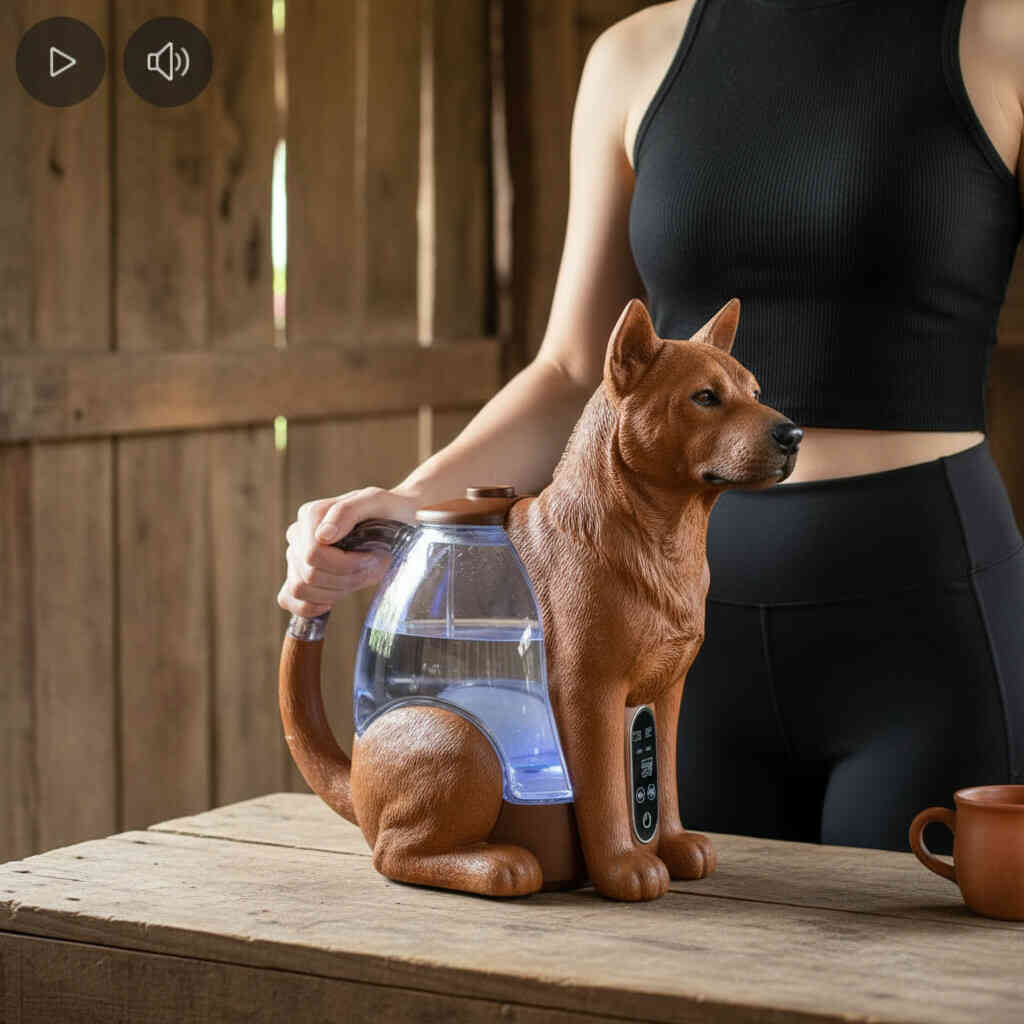
Part Two: Design as Storytelling—Where Craft Meets Canine Charm
The creation of a dog-shaped kettle is no small feat of engineering and artistry. Unlike conventional kettles, which prioritize ergonomics and thermal efficiency within standardized forms, these whimsical designs must balance functionality with faithful representation. The challenge lies in ensuring that the kettle still boils water evenly, pours smoothly, and remains safe to handle—all while resembling a living creature. This demands ingenuity from designers, who must navigate the constraints of physics and material science without sacrificing charm.
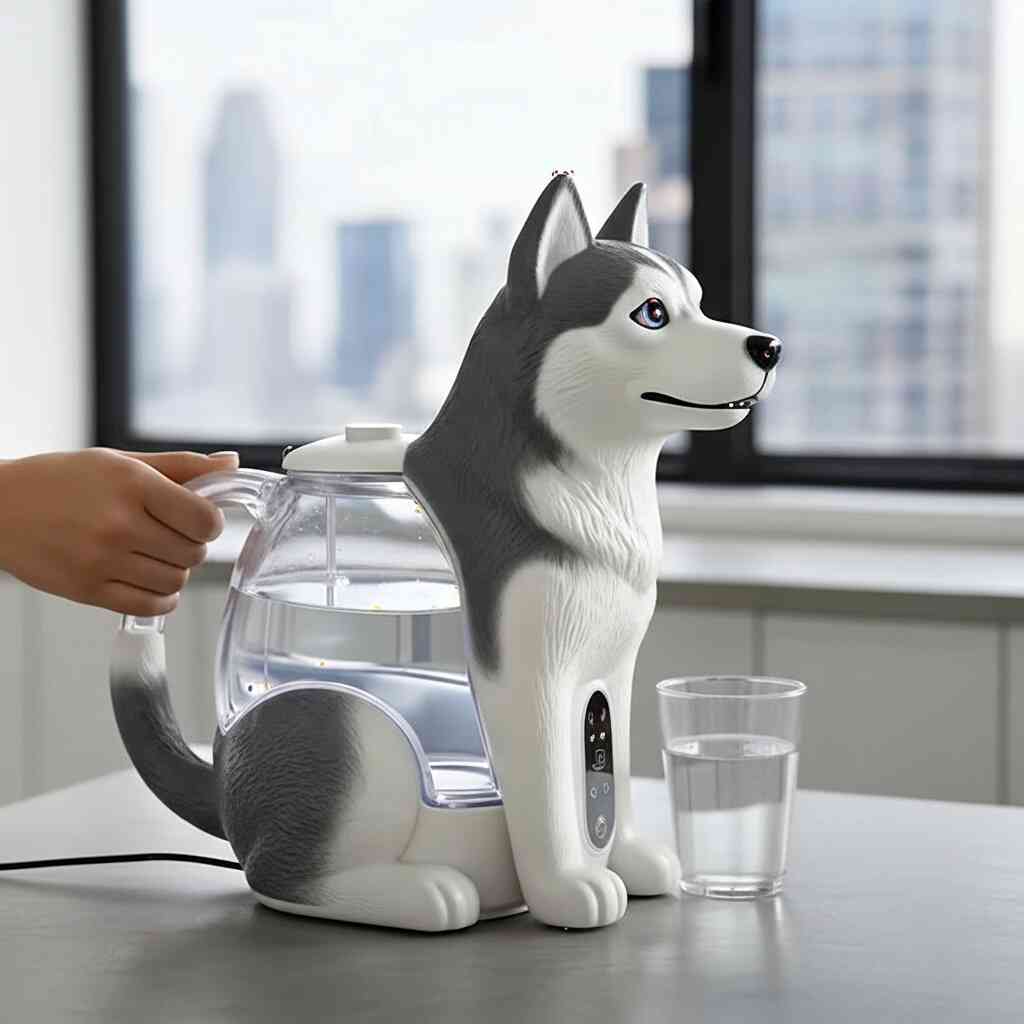
Consider the spout: in a traditional kettle, it’s a simple tapered tube. In a Dog Shaped Kettle, it might emerge from the dog’s mouth, nose, or even tail. Each choice affects both aesthetics and performance. A spout shaped like an open mouth must be wide enough to prevent dribbling yet narrow enough to control flow. The handle, often integrated into the dog’s back or ears, must provide a secure grip without overheating. Even the lid presents a puzzle—should it lift like a hinged head? Or sit discreetly atop a sculpted skull?
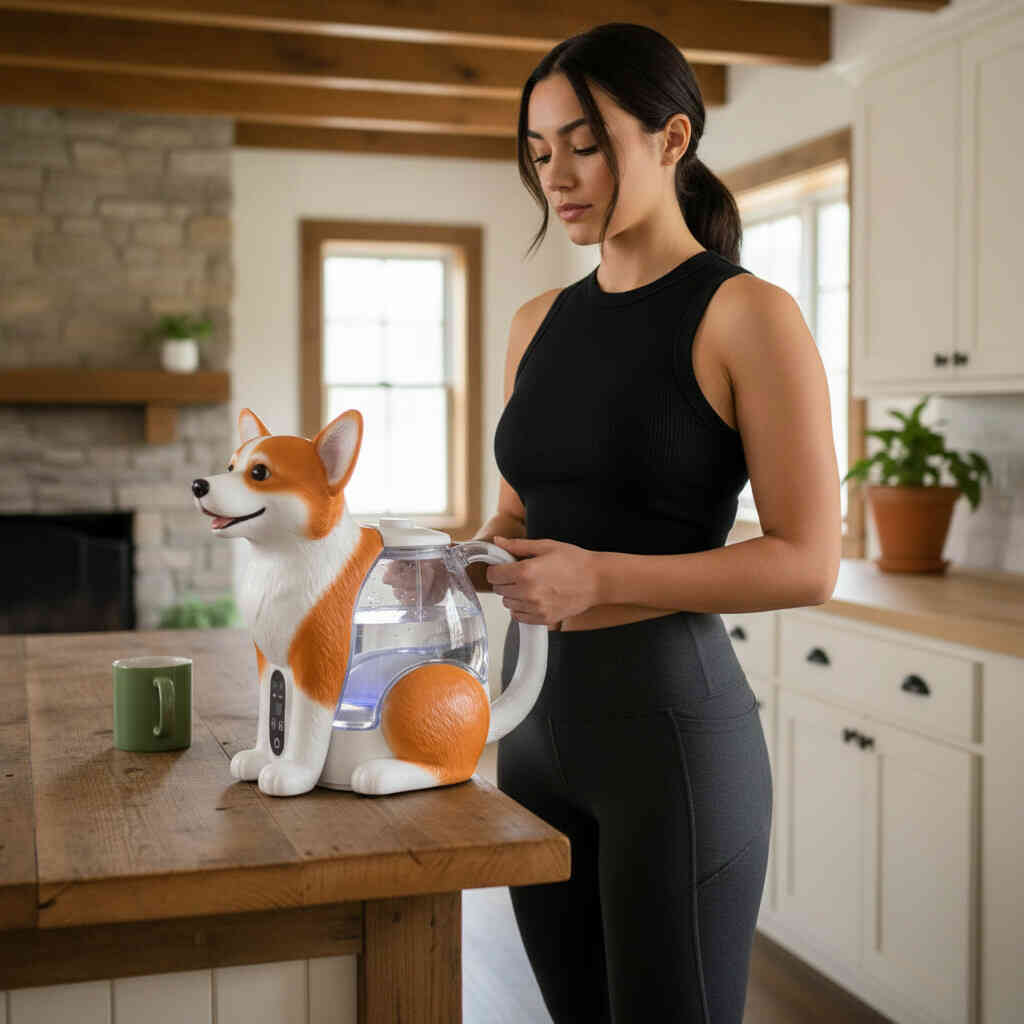
Materials further complicate the equation. Ceramic dog kettles, often hand-painted, offer rich detail and warmth but are fragile and slower to heat. Stainless steel versions are durable and efficient but require careful molding to avoid sharp edges or awkward proportions. Some designers blend materials—using metal for the body and ceramic for decorative elements—to achieve both resilience and expressiveness. The result is a hybrid object that straddles the line between sculpture and appliance.
Color and texture play crucial roles in storytelling. A glossy black finish might evoke a sleek Doberman, while matte white suggests a gentle Samoyed. Textured surfaces can mimic fur—subtle ridges for short coats, raised patterns for long-haired breeds. Eyes, though non-functional, are often the focal point: painted with care to convey alertness, serenity, or curiosity. These details transform the kettle from a mere container into a character with implied personality.
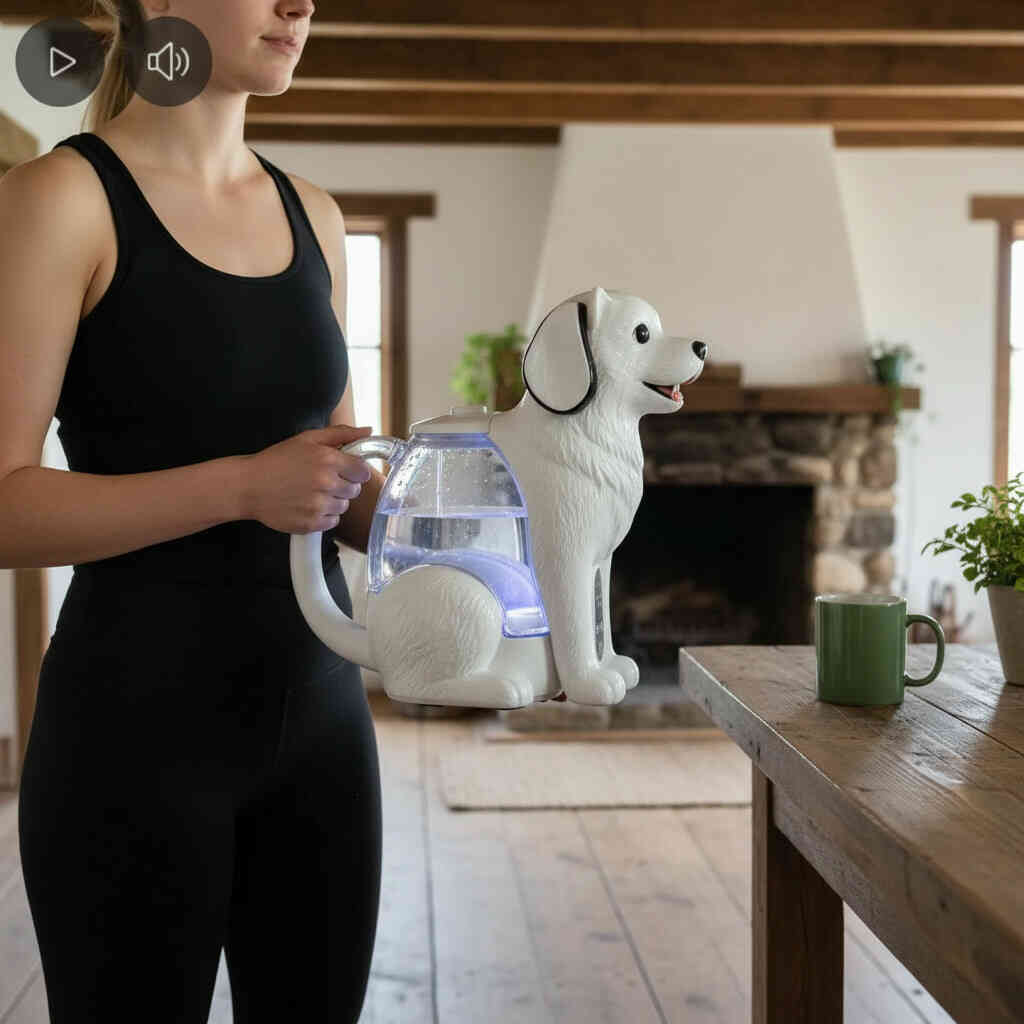
Interestingly, the rise of Dog Shaped Kettles coincides with a broader shift in interior design toward personalized, emotionally resonant spaces. Gone are the days when kitchens were purely utilitarian zones; today, they reflect identity, values, and joy. A dog-shaped kettle fits seamlessly into this ethos. It declares, without words, that this home is one where love—for animals, for whimsy, for the everyday made extraordinary—is central. It invites conversation, sparks smiles, and turns a mundane act into a moment of delight.
Furthermore, these kettles often draw inspiration from historical precedents. Animal-shaped vessels date back centuries—from ancient Greek rhytons (drinking horns shaped like animal heads) to Victorian-era teapots molded as cows or birds. The dog-shaped kettle continues this tradition, adapting it to modern sensibilities and technologies. It’s a reminder that humans have long sought to animate their tools with the forms of creatures they admire or adore.
Part Three: Ritual, Memory, and the Quiet Joy of Quirkiness
Beyond aesthetics and engineering, Dog Shaped Kettles enrich the rituals of daily life. In a world increasingly dominated by digital interfaces and disposable goods, there’s something deeply grounding about using an object that is both functional and full of character. Filling the kettle, placing it on the stove, waiting for the whistle—these actions become infused with meaning when the object itself feels like a participant rather than a tool.
For pet lovers, this ritual can be a form of quiet communion. As steam rises from the dog’s “mouth” or “ears,” it’s easy to imagine the kettle breathing, sharing in the moment. On difficult days, this small illusion can offer comfort. On joyful ones, it amplifies the sense of shared space—even if the only other “being” in the room is made of clay or metal. Children, too, often respond with wonder to these kettles, seeing them not as appliances but as friendly creatures who help make hot chocolate or soup. In this way, Dog Shaped Kettles foster intergenerational connections, becoming part of family lore (“Remember Grandma’s pug kettle?”).
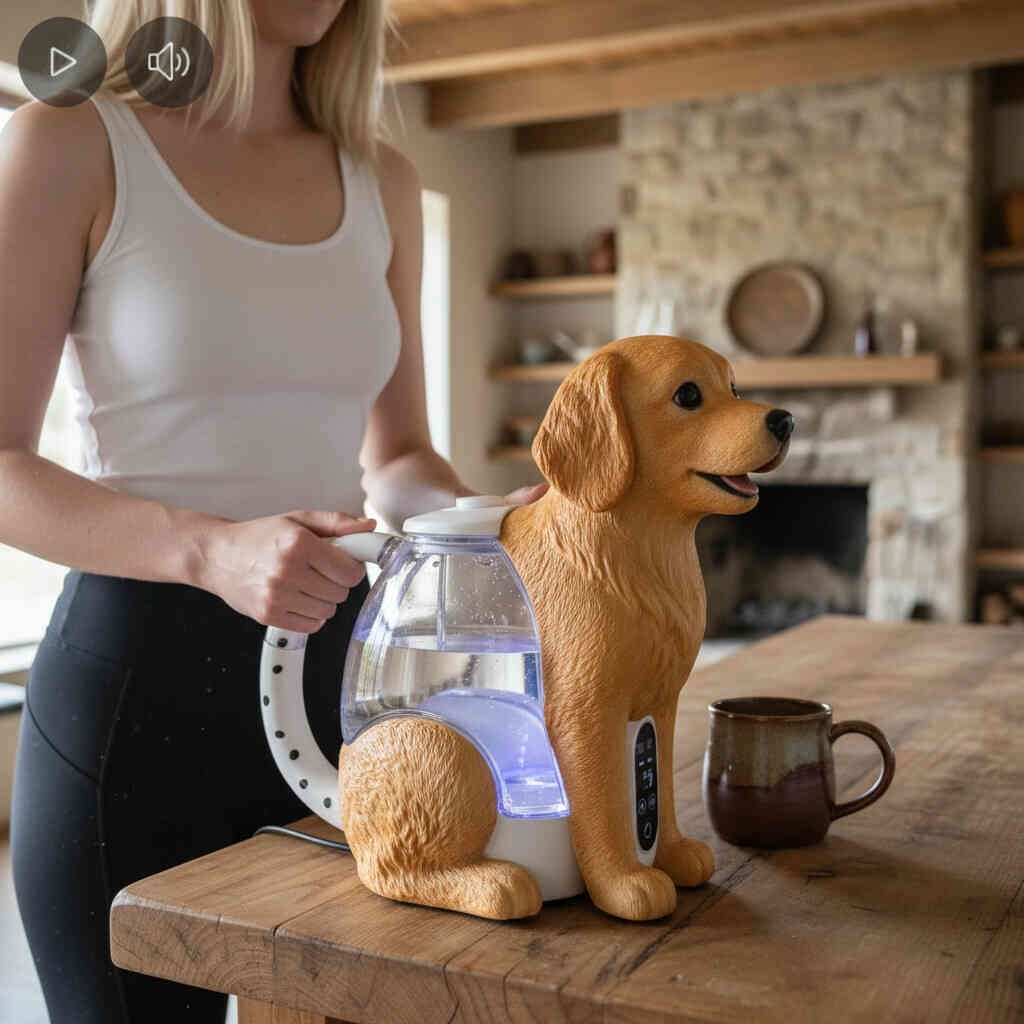
They also challenge the notion that household objects must be neutral or invisible. Why should our tools lack personality? Why must efficiency come at the cost of joy? The existence of dog-shaped kettles is a gentle rebellion against sterile minimalism, asserting that beauty and utility can coexist with humor and heart. They remind us that domestic life need not be devoid of playfulness—that even in the most routine tasks, we can find room for whimsy.
Perhaps most importantly, these kettles honor the quiet, unspoken bond between humans and dogs. Dogs don’t ask for grand gestures; they thrive on presence, consistency, and small kindnesses. A Dog Shaped Kettle, used day after day, mirrors this ethos. It doesn’t demand attention; it simply is—steady, reliable, and shaped by love. In its own silent way, it says: I’m here. Just like your dog always was.
Conclusion: Whistling Homage to a Timeless Bond
Dog Shaped Kettles are far more than quirky novelties. They are testaments to the enduring relationship between humans and dogs—a relationship built on loyalty, mutual care, and countless shared moments, both grand and ordinary. By merging the practicality of a kitchen essential with the beloved form of man’s best friend, these kettles elevate the everyday into the realm of the meaningful. They invite us to slow down, to smile, and to remember that even in the smallest objects, we can embed our deepest affections.
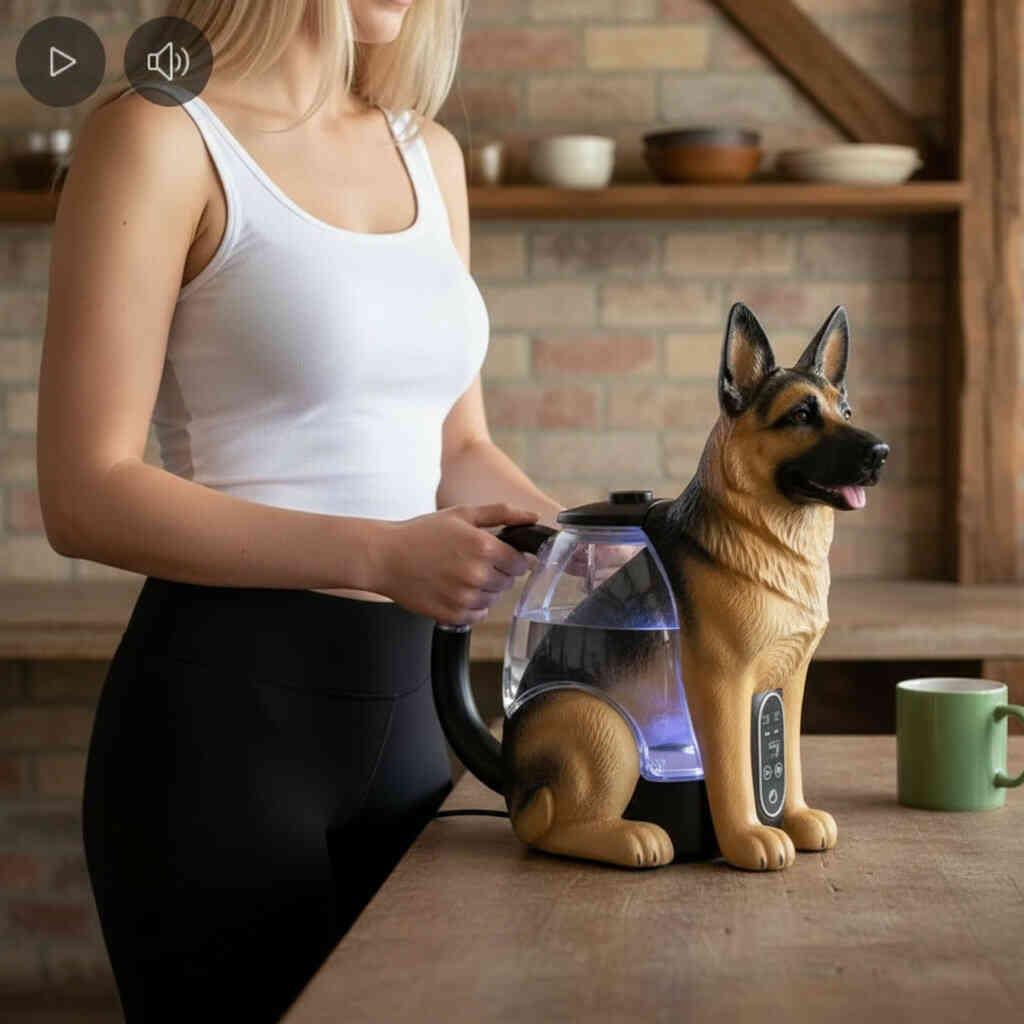
In a time when so much of life feels transient and virtual, the tactile, visual, and emotional presence of a dog-shaped kettle offers a grounding counterpoint. It stands on the counter not as a gimmick, but as a companion—faithful, familiar, and full of quiet joy. Whether it evokes memories of a cherished pet, celebrates the joy of current canine cohabitants, or simply brings a touch of lightheartedness to the morning brew, this humble object performs a quiet magic. It reminds us that love, in all its forms, finds expression in the most unexpected places—even in the steam rising from a terrier’s ears on a cold winter morning.