The Dawn Bird in Domestic Life
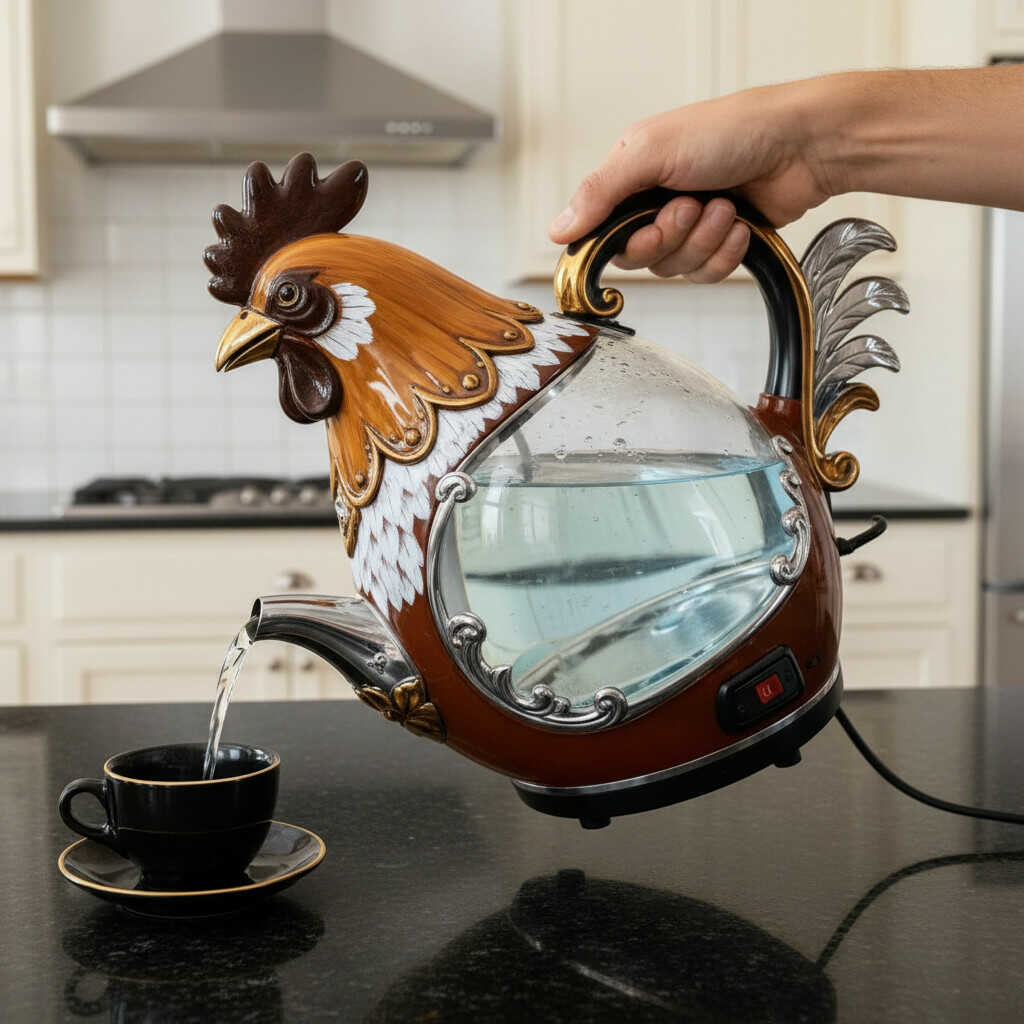
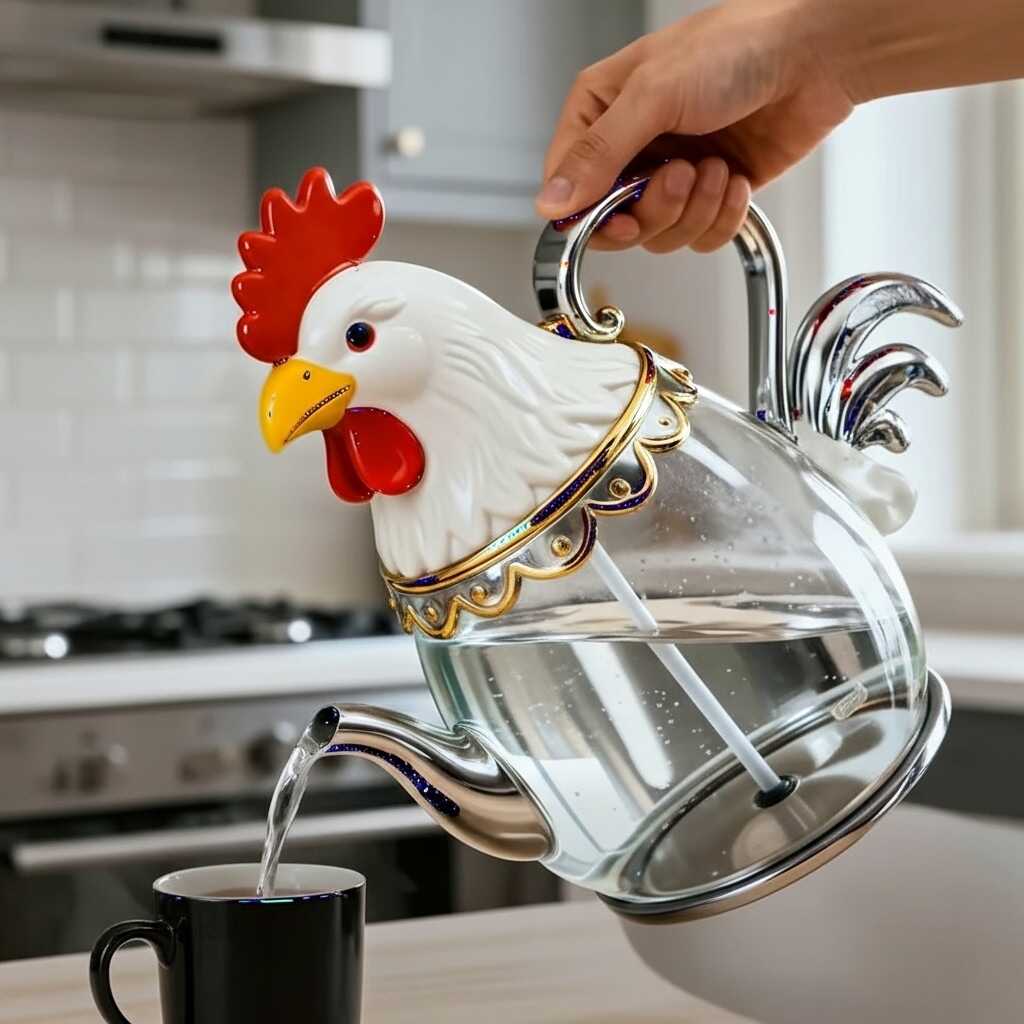
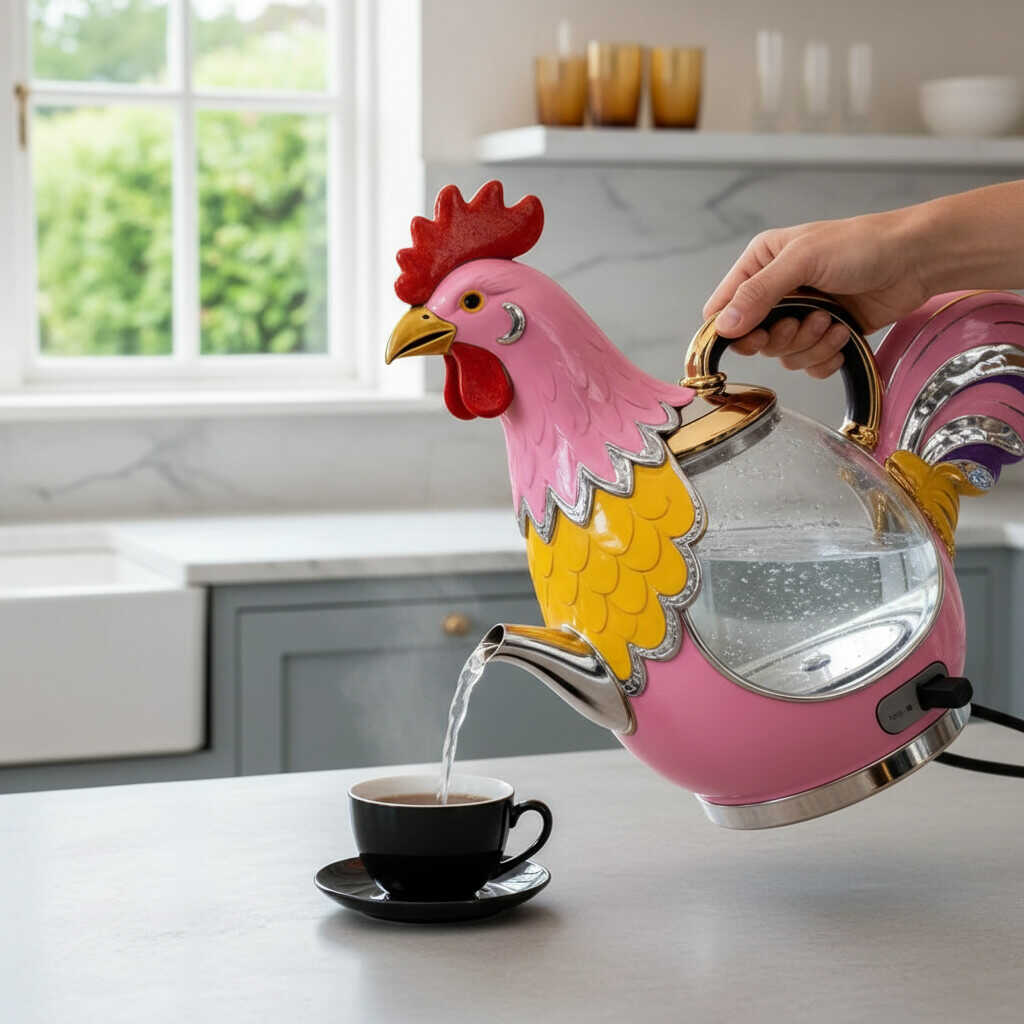
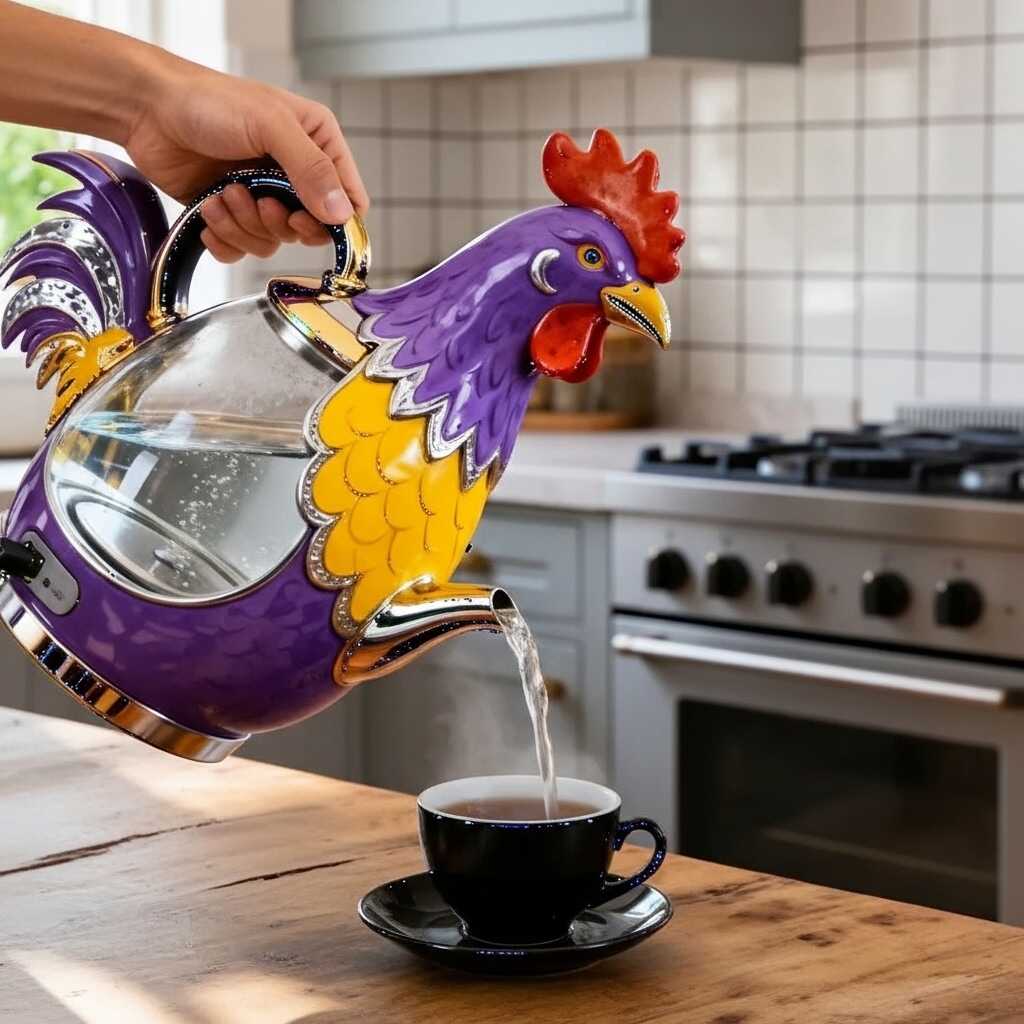
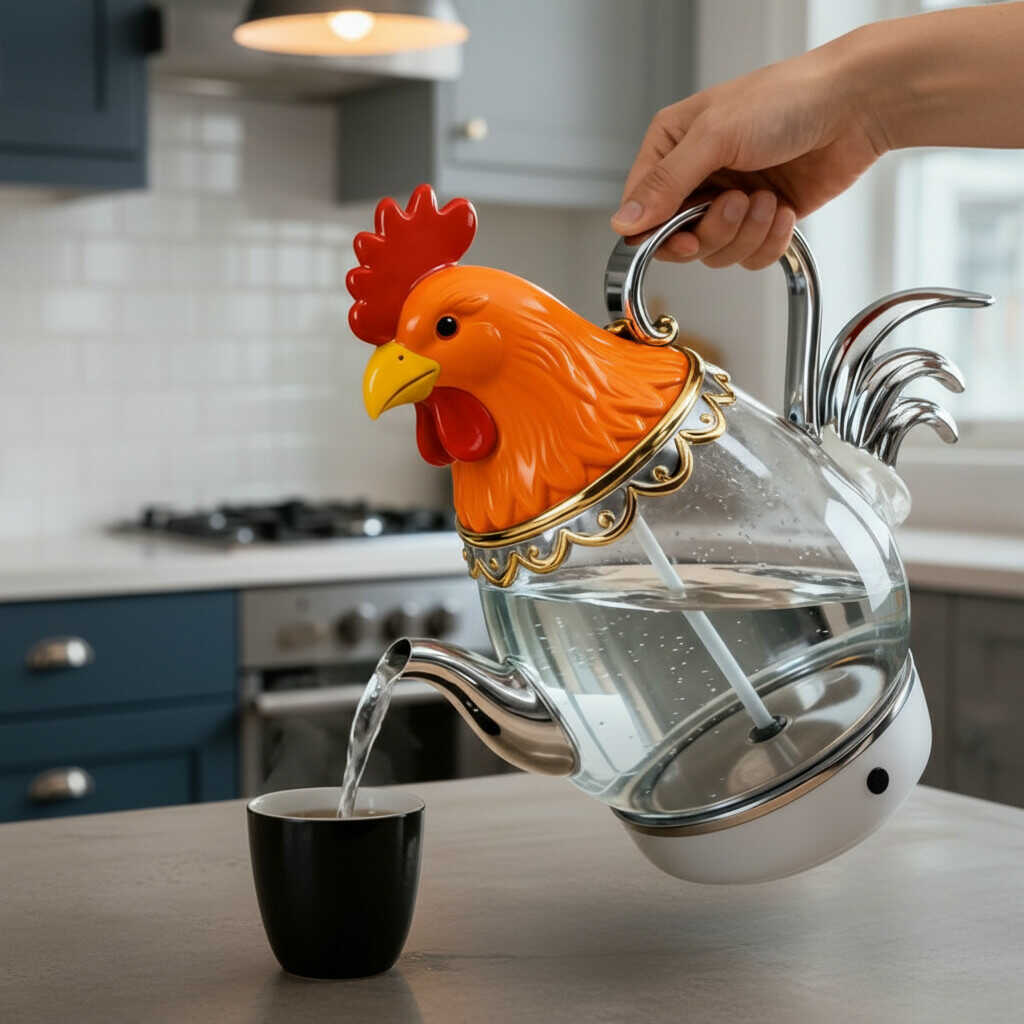
There exists a peculiar poetry in the marriage of form and function when a humble kitchen implement takes the shape of a creature whose very essence announces beginnings. Rooster shaped kettles occupy a unique space in domestic material culture—not merely as vessels for boiling water, but as silent sentinels carrying millennia of symbolic weight into the most intimate spaces of daily life. The rooster, with its brilliant plumage and unmistakable crow, has served humanity as both practical timekeeper and profound spiritual metaphor since antiquity. When this avian herald is rendered in ceramic, copper, or enamel as a vessel for preparing tea or coffee, it transforms an ordinary morning ritual into a reenactment of ancient cosmologies. These objects bridge the sacred and the mundane, inviting us to consider how folklore embeds itself in the tools we use without conscious thought. The steam rising from a rooster shaped kettle becomes more than vapor; it is the breath of dawn made tangible, a daily invocation of light conquering darkness performed in kitchens across continents and centuries.
The Rooster as Herald of Light: Ancient Symbolism
Long before mechanical clocks regulated human schedules, the rooster’s crow marked humanity’s relationship with cosmic cycles. In Zoroastrian tradition, the cock was explicitly revered as a “symbol of light,” its morning proclamation understood as an active participation in the eternal struggle between illumination and shadow
. This association with solar triumph appears independently across civilizations: the rooster’s crow coincides with the sun’s first appearance, making the bird not merely a passive observer of dawn but its active announcer. Ancient Mesopotamian iconography linked the rooster to Nusku, the god of light and fire, positioning the bird as a divine intermediary between celestial fire and earthly illumination
. This symbolism proved remarkably durable, migrating across continents and adapting to new theological frameworks while retaining its core association with vigilance and the victory of day over night.
The rooster’s biological reality reinforced its mythological stature. Unlike nocturnal creatures that retreat at sunrise, the cock stands boldly at the threshold between darkness and light, its voice cutting through the lingering shadows. This existential positioning made it a natural symbol for watchfulness—the quality of remaining alert during vulnerable hours. In European folklore, a rooster crowing at midnight rather than dawn was considered an omen of death, precisely because it violated the bird’s sacred duty as guardian of proper temporal boundaries
. Such beliefs reveal how deeply the rooster’s natural behavior became entangled with human anxieties about time, mortality, and the fragile membrane separating safety from danger. When artisans shaped kettles in the rooster’s form, they were not merely creating decorative objects; they were crafting vessels imbued with the power to summon dawn’s protective qualities into the home’s heart.
Christian Vigilance: Roosters on Steeples and in Homes
Christianity absorbed and transformed the rooster’s pre-existing symbolism, layering it with profound theological meaning centered on human fallibility and redemption. The Gospel accounts of Peter’s triple denial of Christ before the cock’s crow created an indelible association between the rooster and the painful recognition of one’s own weakness
. Rather than banishing this symbol of failure, the Church elevated it as a reminder of mercy—Peter’s subsequent repentance and restoration demonstrated that betrayal could be forgiven. By the seventh century, Pope Gregory I mandated that churches display roosters atop their steeples, transforming the bird into a permanent emblem of watchfulness against spiritual complacency
www.blackcountrymetalworks.co.uk
. These weathercocks served dual purposes: practical wind indicators and constant visual sermons about the need for vigilance in faith.
This ecclesiastical adoption democratized the rooster’s symbolism, allowing it to migrate from church steeples into domestic spaces. Households began incorporating rooster imagery into everyday objects as protective talismans. The logic was elegant: if the rooster announced Christ’s triumph over death through resurrection—light conquering the ultimate darkness—then its presence in the home might similarly ward off spiritual and physical dangers
. A rooster shaped kettle, sitting on the hearth or stove, became a domestic altar of sorts—a functional object performing sacred work by embodying the promise that darkness, whether literal night or metaphorical despair, would inevitably yield to light. The steam escaping its spout mirrored the soul’s aspiration toward divine illumination, while the vessel itself stood as a humble monument to the possibility of redemption after failure. In this context, morning tea preparation became a ritual of renewal, each boiling kettle reenacting the cosmic victory of dawn.
Eastern Traditions: Roosters in Chinese Culture and Feng Shui
Parallel to Western traditions, Chinese cosmology developed its own rich tapestry of rooster symbolism, equally concerned with timekeeping, protection, and auspicious energy. Within the Chinese zodiac, the Rooster embodies punctuality, honesty, courage, and vigilance—qualities directly derived from its dawn-crowing behavior
. The character for rooster phonetically resembles the word for “auspicious”, creating an additional layer of positive association through linguistic coincidence
www.newconceptmandarin.com
. This connection between the bird and good fortune made rooster imagery particularly desirable in household objects designed to attract prosperity and ward off misfortune.
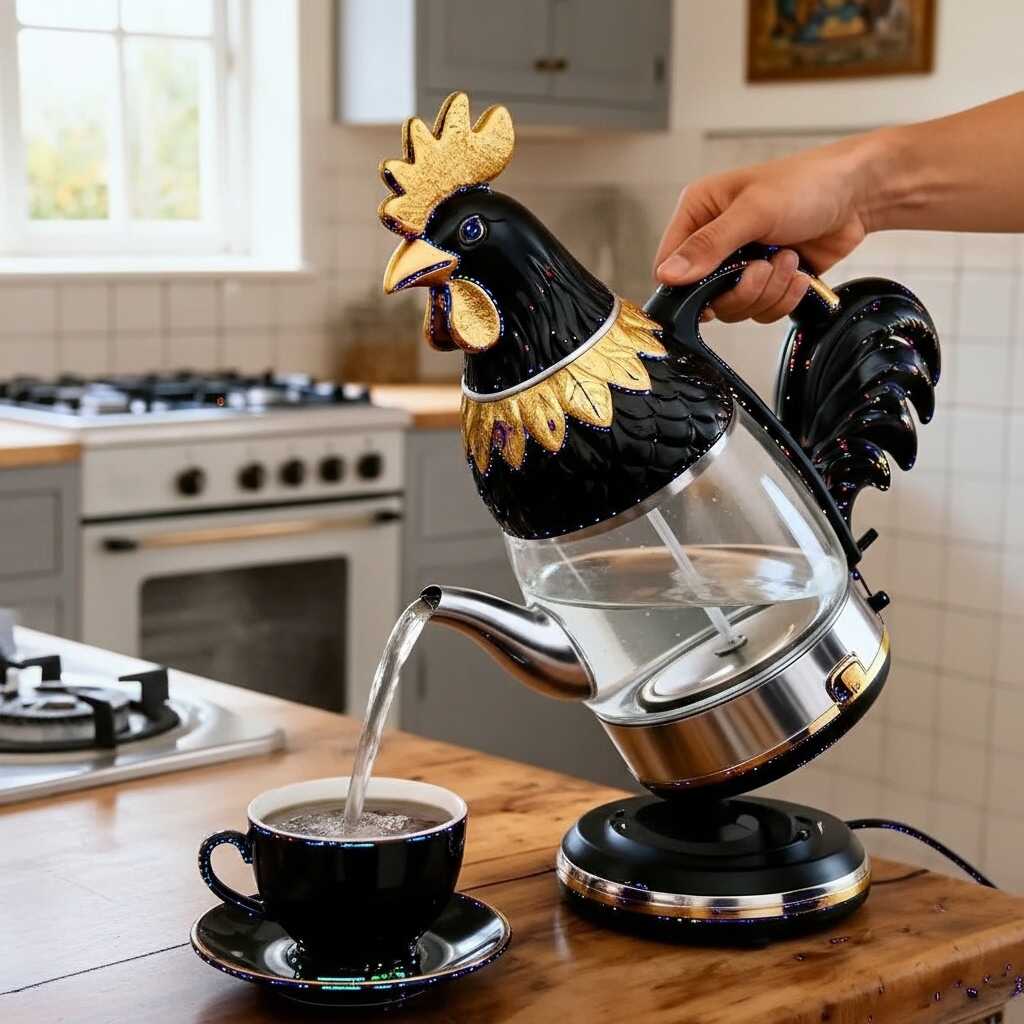
Feng Shui practitioners have long employed rooster figurines as energetic tools within domestic spaces. The rooster’s distinctive comb and sharp claws are believed to possess inherent power to deflect gossip, deceit, and workplace betrayal—negative energies that threaten social harmony
. Positioned strategically in homes or offices, ceramic roosters function as silent guardians against treachery. When this protective symbolism transfers to functional objects like rooster shaped kettles, the vessel performs dual service: preparing nourishment while simultaneously generating a field of positive qi (energy) in the kitchen. The act of boiling water—a transformation of liquid through fire—resonates with the rooster’s own transformative role as herald of day’s arrival. In Chinese tradition, the rooster’s crow doesn’t merely announce opportunity; it actively summons it into being
. A kettle shaped like this bird thus becomes an instrument for manifesting timely action and awareness in daily life, its very form encouraging household members to approach each day with the rooster’s characteristic punctuality and purpose.
Mediterranean Legacy: Italian Ceramic Rooster Vessels
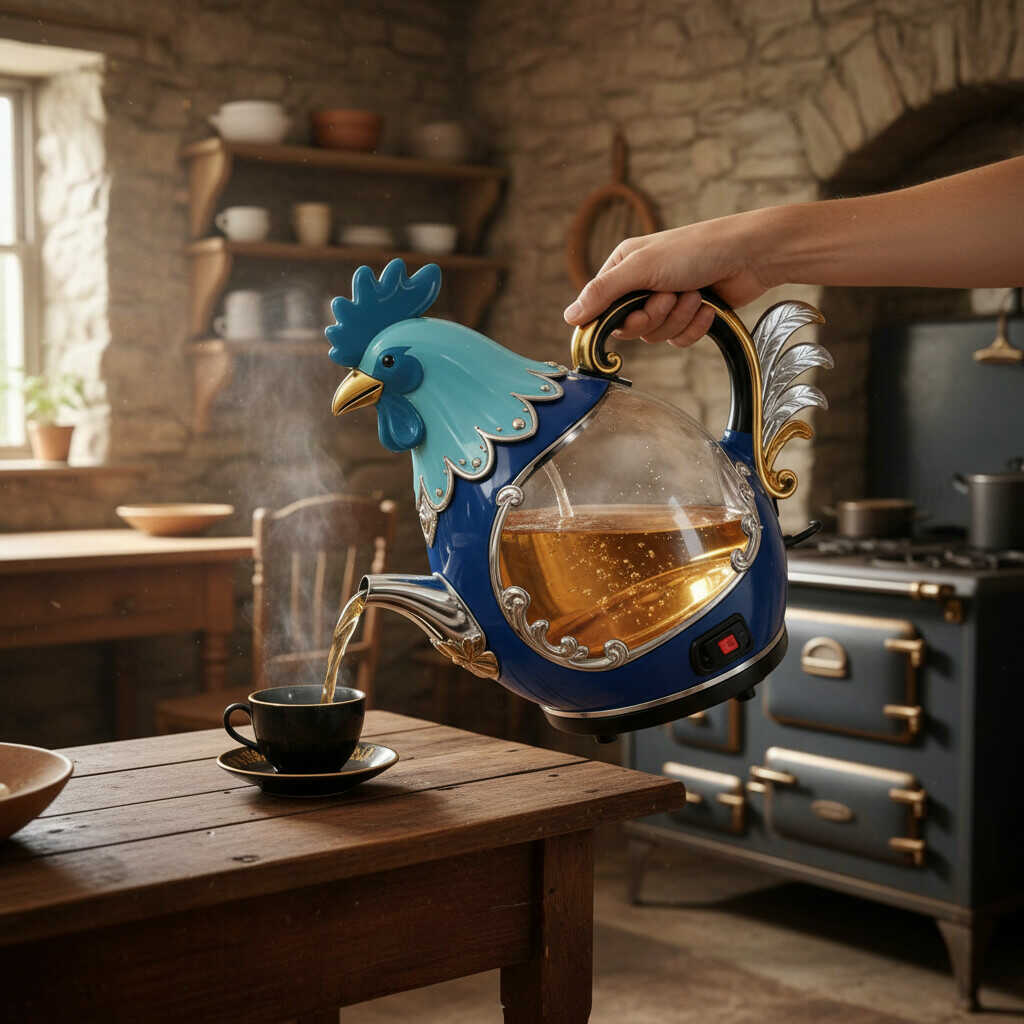
The Italian peninsula offers one of the most direct historical links between rooster-shaped vessels and domestic ritual. During the early Renaissance in the Republic of Florence, ceramic rooster pitchers emerged under Medici patronage, their origin traced to a legendary fifteenth-century event involving rival families and a miraculous intervention
. These vessels, initially used for serving wine during celebrations, carried explicit associations with good fortune, protection, and prosperity
. Italian artisans rendered the rooster with particular attention to its comb and wattles—the very features Feng Shui identifies as energy conduits—suggesting an intuitive cross-cultural recognition of the bird’s symbolic potency.
What makes these Mediterranean traditions especially relevant to rooster shaped kettles is their emphasis on the vessel’s functional transformation of substances. Wine pitchers changed grape juice into sacramental drink; similarly, kettles transform cold water into life-sustaining steam and heat. The rooster form superimposes its symbolism of vigilance and renewal onto this alchemical process. When steam rises from a rooster’s beak-shaped spout, it visually enacts the bird’s crow—a silent proclamation of warmth conquering cold, activity overcoming dormancy. Italian ceramic traditions understood that household objects could carry mythological weight without ceasing to be practical. A rooster pitcher didn’t lose its utility by bearing symbolic form; rather, its utility was enhanced by the cultural meanings it activated during use. This philosophy directly informs the enduring appeal of rooster shaped kettles—they satisfy both material and metaphysical hungers simultaneously, honoring the human need for objects that nourish body and spirit alike.
The Kitchen as Sacred Space: Why Roosters Belong Among Our Utensils
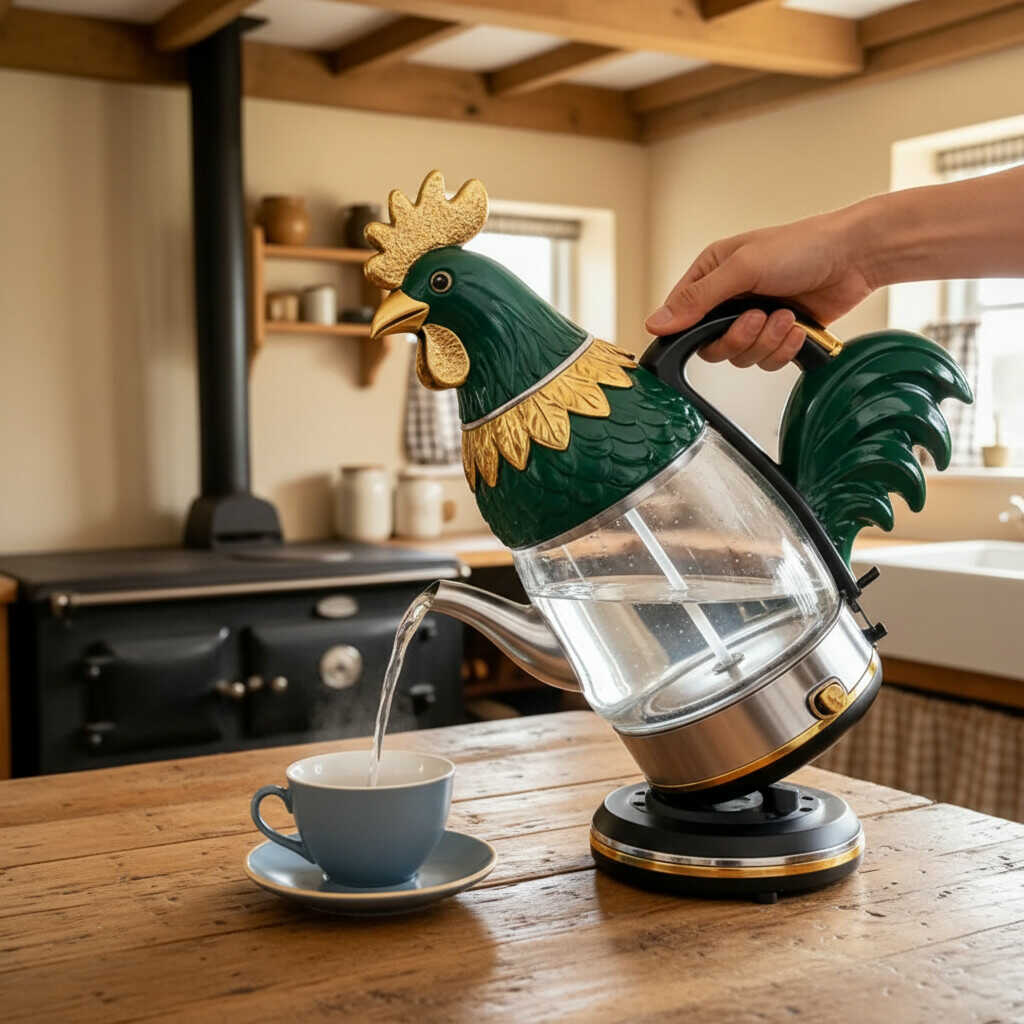
The persistent presence of rooster imagery in kitchens across cultures reveals a profound truth about domestic space: the hearth has always been sacred ground. Long before modern appliances sanitized cooking into a purely mechanical process, the kitchen represented humanity’s most intimate negotiation with elemental forces—fire transforming raw ingredients into sustenance, water boiling into purifying steam. Into this liminal space, cultures invited protective symbols. The rooster, as guardian of thresholds between night/day, safety/danger, ignorance/awareness, proved ideally suited for kitchen guardianship.
A rooster shaped kettle performs its symbolic work precisely at the moment of transformation—when water reaches its boiling point and changes state. This moment of phase transition mirrors the rooster’s own mythological function as catalyst of change. Just as the cock’s crow doesn’t create dawn but announces its inevitability, the kettle doesn’t create heat but channels it into useful form. Both are intermediaries between potential and actualization. The vessel’s form reminds users that daily rituals contain cosmic echoes: the steam rising from morning tea recapitulates the mist burning off at sunrise; the whistle’s call mirrors the cock’s crow; the act of preparing nourishment repeats humanity’s ancient covenant with fire and water.
Moreover, the rooster’s association with vigilance speaks directly to the kitchen’s historical dangers. Open flames, boiling liquids, and sharp implements demanded constant attention—qualities the rooster embodied perfectly. A rooster shaped kettle thus functioned as both tool and teacher, its form silently instructing users to approach kitchen work with the bird’s characteristic alertness. In an age when cooking required genuine risk management, such symbolic reinforcement served practical psychological purposes, embedding safety consciousness into the very objects used daily.
Conclusion: Carrying Dawn Into Daily Ritual
Rooster shaped kettles endure not as nostalgic curiosities but as vessels carrying living folklore into contemporary life. They represent humanity’s enduring desire to infuse utilitarian objects with meaning that transcends function—to transform the mechanical act of boiling water into a participation in ancient narratives about light, vigilance, and renewal. Each culture that adopted the rooster as kitchenware motif did so for distinct theological or philosophical reasons, yet all converged on the same insight: the objects surrounding our daily rituals shape our consciousness as surely as our conscious thoughts shape our actions.
When steam escapes a rooster’s beak-shaped spout at dawn, something quietly miraculous occurs—the cosmic victory of light over darkness is reenacted in miniature, made accessible through an ordinary household object. The rooster shaped kettle asks nothing of its user except participation in this daily renewal. It requires no special knowledge, no ritual incantations—only the simple act of filling, heating, and pouring. Yet in that simplicity lies profound wisdom: the sacred need not be separated from the mundane. Dawn arrives not only in the sky but in our kitchens; vigilance is practiced not only in spiritual contemplation but in watching a kettle boil; renewal happens not only at cosmic scales but in the steam rising from our morning tea.
These objects remind us that folklore survives not in museums alone but in the shapes of things we use without thinking. The rooster shaped kettle stands as testament to humanity’s persistent need to surround ourselves with symbols that connect our smallest actions to largest truths. In a world increasingly dominated by objects stripped of meaning—designed for efficiency alone—these vessels preserve an older understanding: that the tools of daily life can carry poetry, that function and symbolism need not be divorced, and that each morning’s first cup of tea can be, if we allow it, a small act of participating in the eternal return of light.