In a world where urbanization continues to expand and the pace of life accelerates, many people are seeking ways to reconnect with nature. The desire for fresh, homegrown produce has not waned—even as space becomes more limited and time more precious. This growing interest in sustainable living and healthy eating has led to innovative design solutions that merge functionality with environmental harmony. One such innovation is the integration of hydroponic gardens directly into kitchen islands, transforming the heart of the home into a thriving, green oasis.
Kitchen islands have long served as central gathering points in modern kitchens—places for meal preparation, casual dining, and social interaction. Now, they are evolving into multifunctional spaces that support not only cooking but also cultivation. By incorporating built-in hydroponic systems, these islands offer a unique opportunity to grow fresh herbs, vegetables, and greens indoors, regardless of outdoor conditions or available yard space.
This article explores how kitchen islands with built-in hydroponic gardens are redefining interior design, promoting healthier lifestyles, and fostering a deeper connection between people and the food they consume. We will delve into the concept’s origins, its practical applications, and the broader implications for future living environments.
The Evolution of Kitchen Design: From Functionality to Sustainability
Traditionally, kitchen design has focused on maximizing storage, optimizing workflow, and enhancing aesthetics. However, as sustainability and wellness become central themes in home design, the role of the kitchen has expanded beyond mere utility. It is now seen as a place where health begins—with access to clean ingredients, efficient appliances, and increasingly, the ability to grow one’s own food.
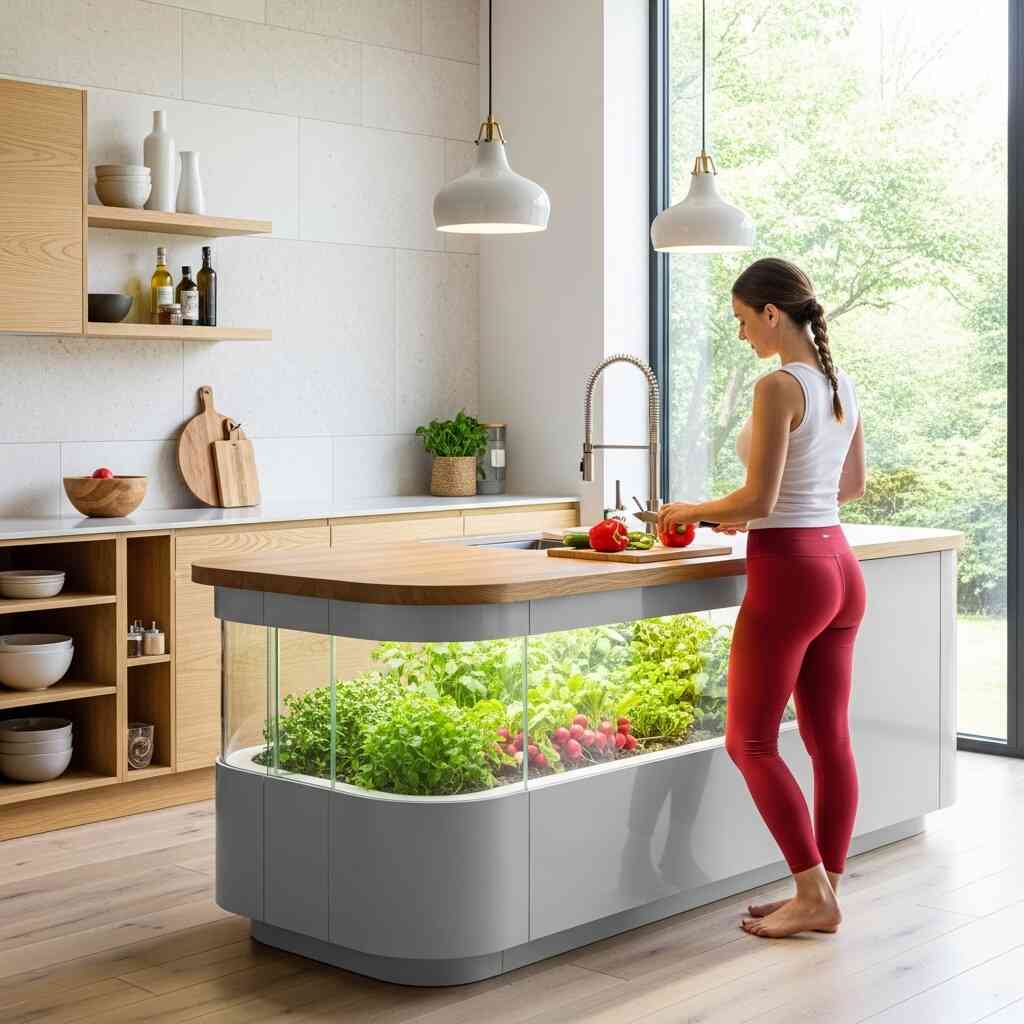
The introduction of hydroponics into kitchen islands represents a natural progression in this evolution. Hydroponics, the method of growing plants without soil by using mineral nutrient solutions in a water solvent, has been used for decades in large-scale agriculture. But recent advancements in technology and miniaturization have made it possible to bring this system into residential settings. When integrated into kitchen islands, hydroponics transforms the way we think about food production, turning countertops into vertical farms and making fresh produce an integral part of daily life.
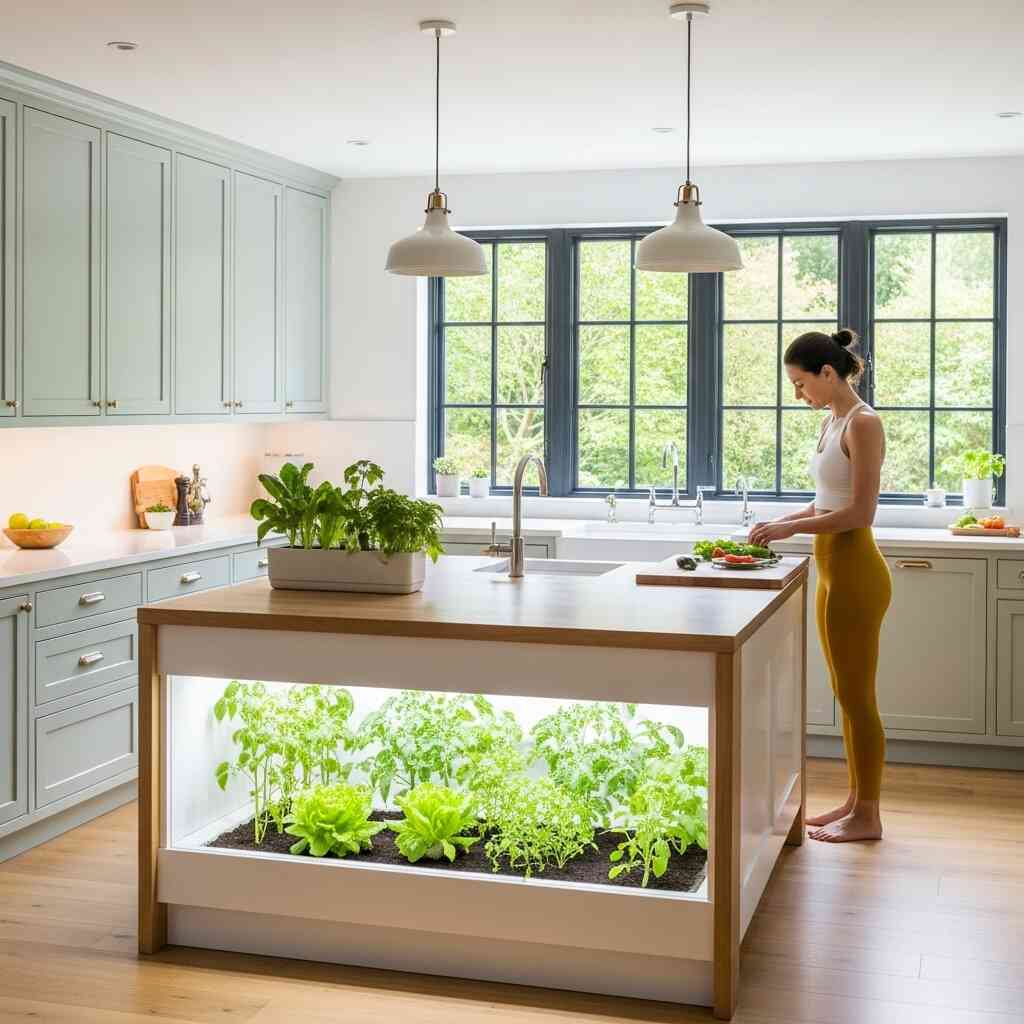
These islands serve as a seamless blend of form and function. They maintain the traditional roles of a kitchen island—providing counter space, storage, and seating—while introducing a dynamic new feature: a living garden. The visual appeal of lush greenery within a sleek, modern kitchen adds a calming presence, reminiscent of biophilic design principles that emphasize the importance of connecting humans with nature.
How Do Kitchen Islands with Built-In Hydroponic Gardens Work?
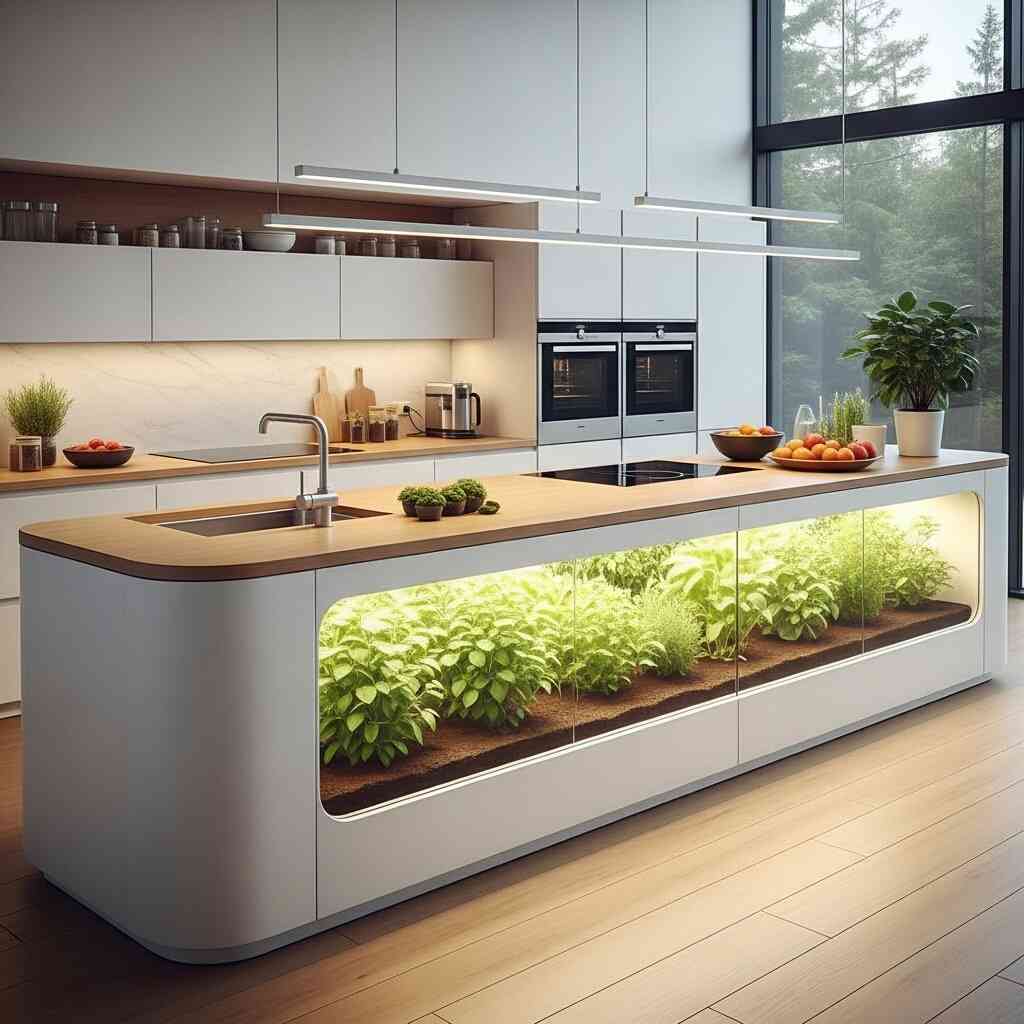
At their core, kitchen islands with built-in hydroponic gardens operate on the same principles as larger hydroponic systems, albeit on a smaller scale tailored for indoor use. These systems typically include several key components:
- Water Reservoir : A hidden tank beneath or beside the planting area stores the nutrient-rich water solution.
- Pumps and Tubing : Small submersible pumps circulate the water through a network of tubes to deliver nutrients directly to plant roots.
- Grow Trays or Pods : Modular trays or individual pods hold the plants, often using a growing medium like coconut coir or rock wool instead of soil.
- LED Grow Lights : Since natural sunlight may be limited indoors, full-spectrum LED lights simulate optimal growing conditions, allowing plants to thrive year-round.
- Control Panels : Some advanced models come with digital interfaces that allow users to monitor pH levels, adjust lighting schedules, and even receive alerts for maintenance tasks.
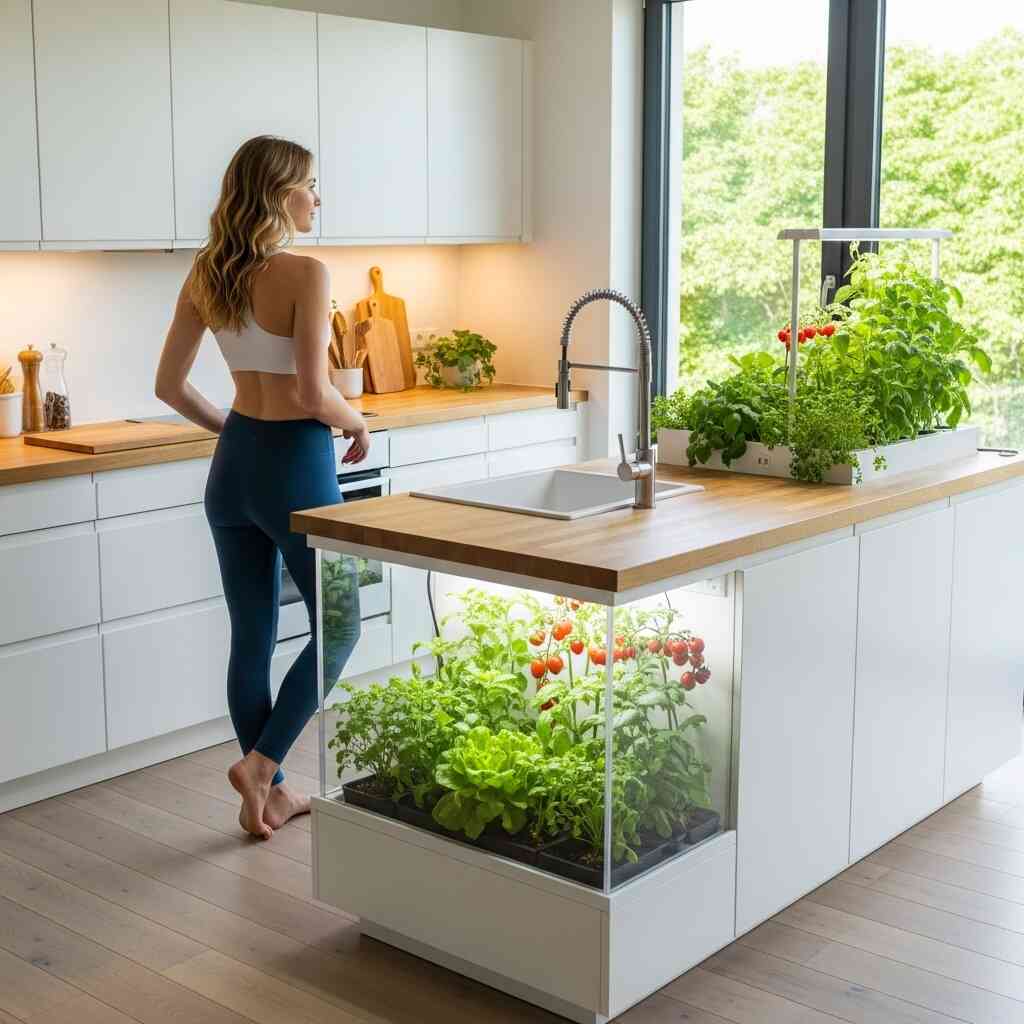
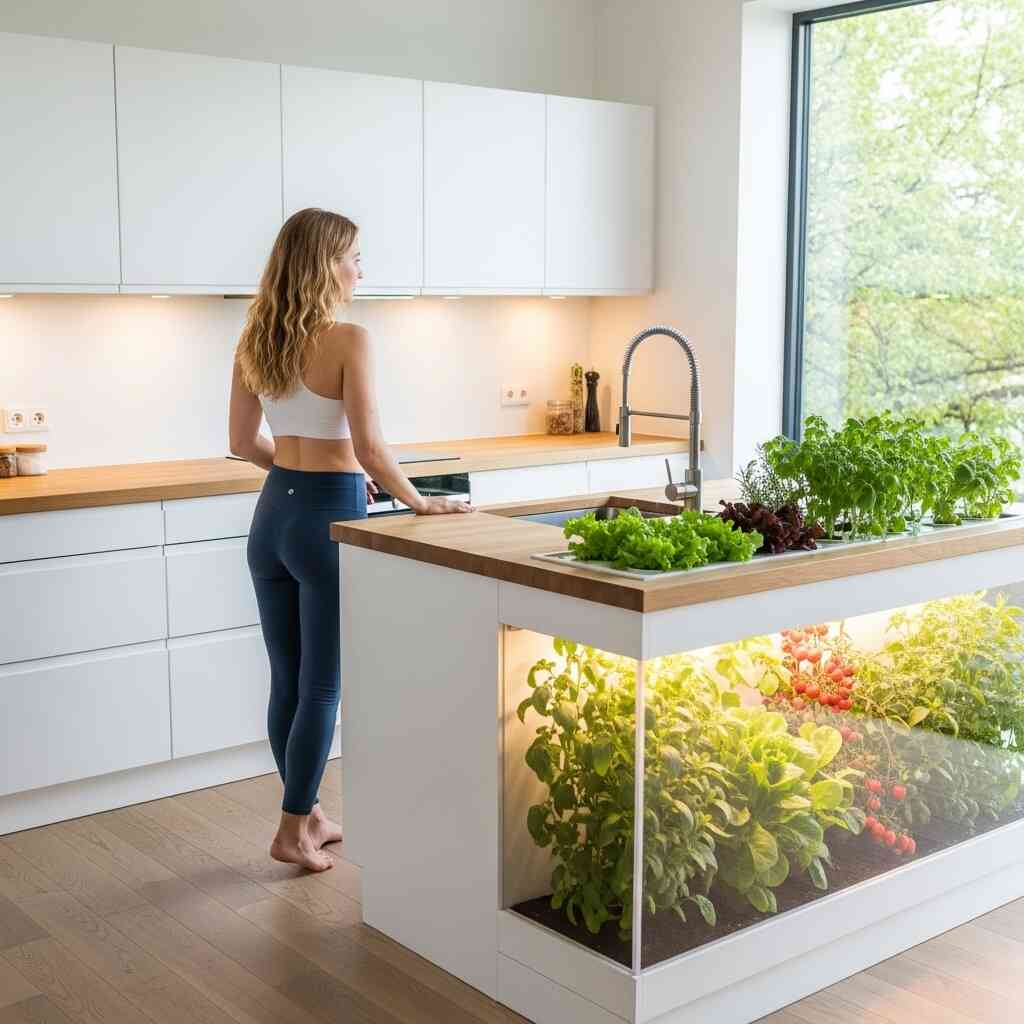
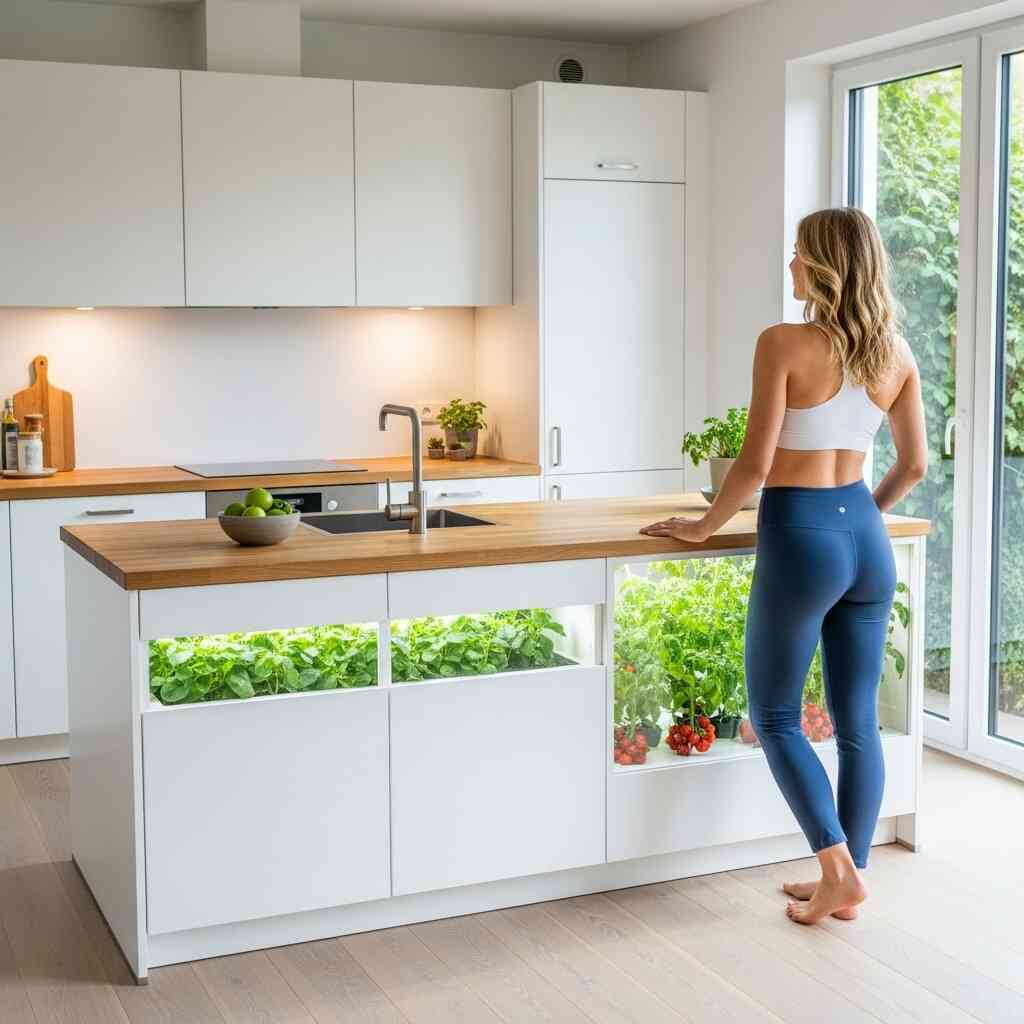
These systems can be designed to accommodate a wide variety of plants, from leafy greens like lettuce and spinach to culinary herbs such as basil, thyme, and parsley. More ambitious setups might even support small fruits like strawberries or cherry tomatoes, depending on the size and capabilities of the hydroponic unit.
Installation varies based on the specific design of the kitchen island. Some units are fully integrated during the construction phase, while others are retrofitted into existing islands. Regardless of the approach, the goal remains the same: to create a self-contained, low-maintenance growing environment that enhances both the aesthetic and functional aspects of the kitchen.
One of the most appealing features of these systems is their minimal maintenance requirements. Unlike traditional gardening, which involves tilling soil, managing pests, and dealing with unpredictable weather, hydroponic gardens inside kitchen islands require little more than occasional refilling of the nutrient reservoir and periodic harvesting. The closed-loop system minimizes water waste, and because there’s no soil involved, mess and cleanup are significantly reduced.
Moreover, because everything is contained within the kitchen, users can enjoy the convenience of picking fresh ingredients just steps away from the stove. Imagine snipping a few sprigs of rosemary for a roast or plucking a handful of arugula for a salad—all without leaving the room. This immediacy not only enhances flavor and nutrition but also reinforces the joy of cooking with freshly harvested produce.
Design Considerations and Customization Options
As with any major kitchen renovation or upgrade, integrating a hydroponic garden into a kitchen island requires thoughtful planning and customization. Designers and homeowners must consider several factors to ensure the system complements both the space and lifestyle of its users.
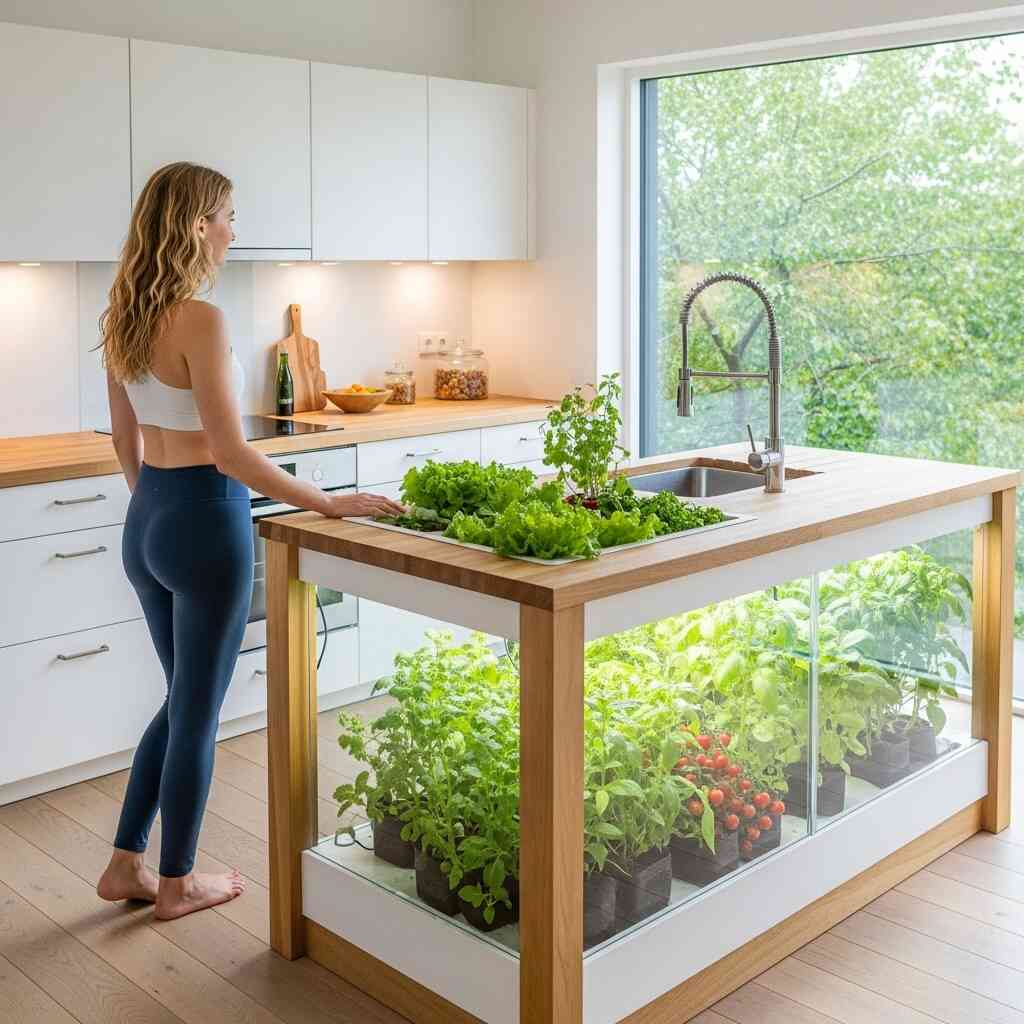
Size and Layout : The dimensions of the kitchen island play a crucial role in determining the scope of the hydroponic setup. Smaller islands may feature compact vertical gardens or single-tiered grow pods, while larger islands can accommodate multi-level systems with greater capacity. The layout should also account for accessibility—ensuring that plants are easy to reach for pruning, harvesting, and maintenance.
Integration with Existing Elements : To maintain a cohesive look, the hydroponic system should be seamlessly integrated with other kitchen elements. For example, LED grow lights can be recessed into the cabinetry above the island, blending in with ambient lighting. Similarly, control panels and water reservoirs can be discreetly tucked behind cabinet doors or within the base of the island.
Material Choices : The materials used in constructing the hydroponic island should be durable, moisture-resistant, and easy to clean. Stainless steel, tempered glass, and waterproof wood composites are popular choices that withstand frequent exposure to water and humidity. Additionally, the surfaces around the growing area should be non-porous to prevent mold or bacterial growth.
Plant Selection : The types of plants chosen for the hydroponic garden will influence the system’s design and operation. Fast-growing herbs and greens are ideal for beginners, requiring less intensive care and offering frequent harvests. More experienced gardeners might opt for slower-growing vegetables or experiment with exotic varieties. The choice of plants also affects the light spectrum and duration needed, which can be adjusted via programmable LED systems.
Ventilation and Climate Control : Proper ventilation is essential for maintaining air circulation and preventing excess humidity buildup, which could lead to condensation or mold issues. Some systems incorporate fans or vents to promote airflow, while others rely on the natural movement of kitchen occupants to keep the air fresh.
Aesthetic Harmony : Beyond functionality, the visual appeal of the hydroponic garden is a key consideration. Designers often incorporate natural textures, earth tones, and organic shapes to create a balanced, inviting atmosphere. Greenery can be interspersed with wooden accents or stone countertops, reinforcing the theme of bringing nature indoors.
By carefully considering these design elements, homeowners can create a kitchen island that not only serves as a hub for culinary activity but also doubles as a vibrant, living ecosystem. The result is a space that feels alive, nourishing both body and soul.
Benefits Beyond the Kitchen: Health, Environment, and Lifestyle
The advantages of incorporating hydroponic gardens into kitchen islands extend far beyond the immediate convenience of having fresh produce at hand. These systems contribute to a range of personal and environmental benefits, making them a compelling addition to modern homes.
Health and Nutrition : Freshness is a critical factor in the nutritional value of food. Produce that is harvested moments before consumption retains more vitamins and minerals compared to store-bought items that may have traveled hundreds or even thousands of miles. With a hydroponic garden in the kitchen, individuals can enjoy peak freshness every time they cook. Moreover, because the system eliminates the need for pesticides and herbicides, the food grown is inherently cleaner and safer.
Mental Well-being : Studies have consistently shown that interacting with plants can reduce stress, improve mood, and enhance cognitive function. The act of nurturing a garden—whether outdoors or indoors—has therapeutic effects, providing a sense of accomplishment and connection to the natural world. Having a living garden in the kitchen encourages mindfulness and slows down the pace of daily life, especially in fast-moving urban environments.
Educational Opportunities : For families with children, a hydroponic garden in the kitchen offers valuable educational experiences. Kids can learn about plant biology, photosynthesis, and sustainable practices firsthand. Observing the growth cycle from seed to harvest fosters curiosity and appreciation for where food comes from, potentially inspiring healthier eating habits and a lifelong interest in gardening.
Environmental Impact : Traditional agriculture is resource-intensive, requiring significant amounts of water, land, and energy. Hydroponic systems, by contrast, use up to 90% less water than conventional farming methods and eliminate the need for chemical fertilizers and pesticides. By growing food locally—within the home itself—carbon emissions associated with transportation and packaging are drastically reduced. In essence, kitchen islands with built-in hydroponic gardens represent a microcosm of sustainable living, empowering individuals to make eco-conscious choices on a daily basis.
Food Security and Resilience : As global supply chains face increasing disruptions due to climate change, pandemics, and geopolitical tensions, local food production becomes more important than ever. Having the ability to grow edible plants indoors ensures a steady supply of fresh produce, regardless of external circumstances. While these systems cannot replace all grocery needs, they provide a reliable supplement that enhances household resilience and reduces dependence on commercial sources.
Challenges and Considerations
While the benefits of hydroponic kitchen islands are substantial, there are also challenges and considerations that must be addressed to ensure successful implementation.
Initial Investment and Complexity : Although hydroponic systems have become more affordable and user-friendly over time, setting up a built-in unit still requires a considerable initial investment. The complexity of installation, particularly when integrating into existing kitchens, may necessitate professional assistance from designers, plumbers, or electricians. Homeowners should weigh the long-term benefits against the upfront costs and effort required.
Learning Curve : While modern hydroponic systems are designed for ease of use, some knowledge of plant care and system maintenance is beneficial. Understanding nutrient balance, pH levels, and light cycles can help optimize plant growth and prevent common issues such as root rot or algae buildup. Fortunately, many manufacturers provide detailed guides and customer support to assist users in navigating these aspects.
Space Limitations : Not all kitchens can accommodate a hydroponic island, especially in smaller apartments or older homes with fixed layouts. However, modular and portable hydroponic units are becoming increasingly available, offering alternatives for those who may not have the space or budget for a full-scale installation.
Dependence on Technology : Because hydroponic systems rely on electrical components like pumps and LED lights, they are vulnerable to power outages or technical malfunctions. Backup solutions, such as battery-powered pumps or manual watering options, can mitigate these risks and ensure plant survival during unforeseen events.
Despite these challenges, the growing popularity of hydroponic kitchen islands suggests that many find the rewards well worth the effort. As awareness increases and technology improves, these systems are likely to become more accessible and intuitive, further bridging the gap between nature and modern living.
Looking Ahead: The Future of Indoor Gardening in the Kitchen
The trend of integrating hydroponic gardens into kitchen islands is more than a passing fad—it represents a fundamental shift in how we interact with our food and our environment. As society continues to embrace sustainability, wellness, and smart living, innovations like these will play an increasingly important role in shaping the homes of tomorrow.
Future iterations of hydroponic kitchen islands may include even more advanced automation, such as AI-driven plant monitoring, voice-controlled adjustments, and integration with smart home ecosystems. Imagine a kitchen that not only prepares meals but also anticipates your dietary preferences by adjusting the types of plants being grown. Or a system that learns from your cooking habits and recommends specific herbs or vegetables to cultivate accordingly.
Architects and interior designers are already exploring ways to expand the concept beyond the kitchen, envisioning entire living walls and hydroponic furniture pieces throughout the home. These developments suggest a future where indoor gardening is not confined to a single room but woven into the fabric of everyday life.
Ultimately, kitchen islands with built-in hydroponic gardens symbolize a harmonious fusion of nature and technology—a reminder that even in the most urbanized settings, we can cultivate life, nourish our bodies, and reconnect with the rhythms of the earth. By embracing this innovation, we take a meaningful step toward a greener, healthier, and more self-sufficient way of living.
Conclusion
In conclusion, kitchen islands with built-in hydroponic gardens exemplify the convergence of design, sustainability, and wellness. They transform the kitchen from a utilitarian space into a vibrant, interactive environment where food is not only prepared but also grown. These systems offer numerous benefits—from improved nutrition and mental well-being to environmental conservation and enhanced food security—making them a powerful tool for modern living.
As technology continues to evolve and societal values shift toward greater ecological awareness, the integration of hydroponic gardens into everyday life will likely become more widespread. Whether through custom-built islands or modular countertop units, the opportunity to bring nature indoors is no longer a luxury but an achievable reality for many.
By embracing this innovative approach, homeowners can cultivate not only plants but also a deeper appreciation for the food they eat and the environment in which they live. In doing so, they help pave the way for a future where sustainability, beauty, and nourishment coexist seamlessly within the heart of the home.